

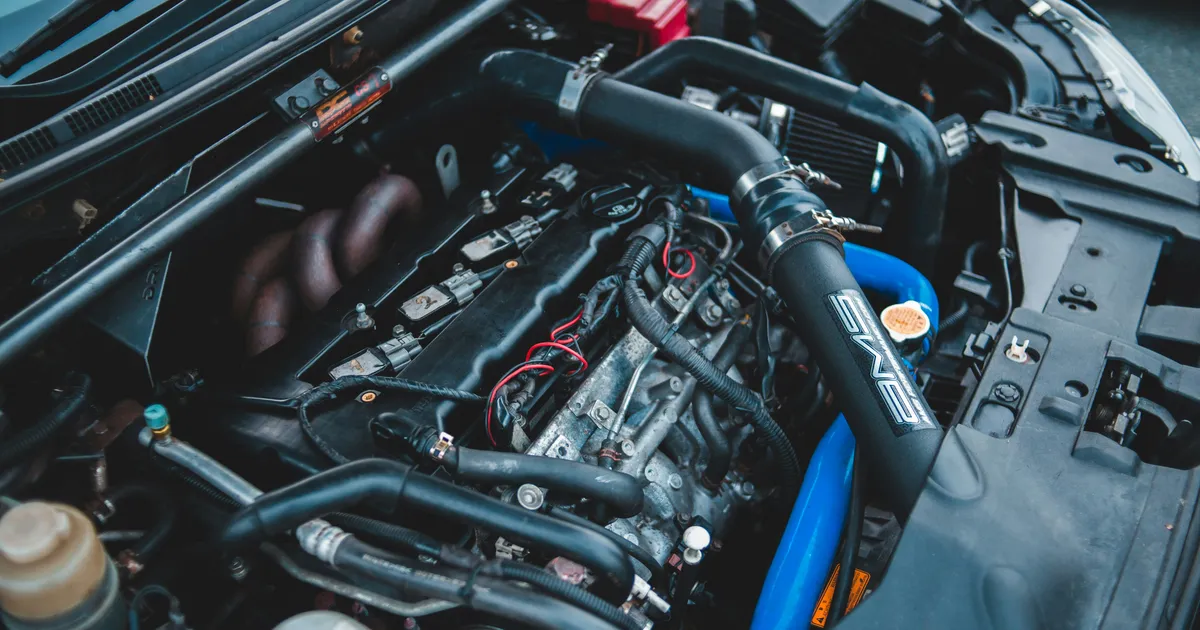
I’ll never forget the sting of a tow truck bill after my first car sputtered to a halt on the side of a busy highway. It was a simple, preventable issue – I’d completely neglected an oil change for far too long, leading to engine damage. That costly lesson hammered home the undeniable truth: consistent, basic car servicing isn’t just about extending your vehicle’s life; it’s about avoiding stressful, expensive breakdowns and ensuring your safety. Many drivers, myself included, often feel intimidated by car maintenance, assuming it requires complex mechanical knowledge. However, a significant portion of what keeps your car running smoothly, especially its engine and oil, boils down to a few straightforward checks and habits that anyone can master with a little guidance and a willingness to learn.
Your Car’s Bible: The Owner’s Manual
Before you even think about popping the hood, the most authoritative resource for your specific vehicle is sitting right in your glove compartment: the owner’s manual. This often-overlooked tome contains a treasure trove of information tailored precisely to your car’s make and model. It details everything from recommended service intervals, the correct type of engine oil and other fluids, to explanations of dashboard warning lights. Think of it as your car’s personal instruction guide, meticulously compiled by the engineers who designed it. Taking just an hour to skim through it can demystify many aspects of your vehicle, empowering you to understand its needs without guesswork.
Familiarizing yourself with the maintenance schedule outlined in your owner’s manual is the cornerstone of proactive car care. It provides specific timelines for oil changes, filter replacements, fluid checks, and even tire rotations, often broken down by mileage or time. Adhering to these recommendations, especially for critical components like the engine, significantly contributes to your car’s longevity and reliability. For instance, knowing the exact viscosity of oil your 2026 sedan requires, or the precise coolant type, prevents costly errors. If your physical manual is missing, don’t fret; most manufacturers, such as Toyota, offer digital versions online, making this vital resource easily accessible.
The Lifeblood of Your Engine: Oil Care
Engine oil is arguably the single most critical fluid in your vehicle. It performs several vital functions: lubricating moving parts to reduce friction and wear, cooling the engine by carrying heat away from hot areas, cleaning by suspending dirt and sludge, and providing a seal between the piston rings and cylinder walls. Without adequate, clean oil, your engine would quickly overheat, seize, and suffer catastrophic damage. Regular checks and timely changes are not merely suggestions; they are absolute necessities for the health and longevity of your engine, directly impacting performance and fuel efficiency.
Choosing the Right Engine Oil
Selecting the correct engine oil is paramount. Your owner’s manual will specify the recommended oil type (e.g., conventional, synthetic blend, full synthetic), viscosity grade (e.g., 5W-30, 0W-20), and performance standards (e.g., API SN, ILSAC GF-6). Using the wrong oil can compromise lubrication, reduce fuel economy, and potentially harm your engine over time. For example, modern engines, especially those from 2026, often require specific low-viscosity synthetic oils for optimal performance and emission control. Always prioritize the manufacturer’s recommendation to ensure your engine receives the exact protection it needs. Synthetic oils, while pricier, generally offer superior protection and longer change intervals, making them a worthwhile investment for many drivers.
Beyond Oil: Essential Fluid Checks
While engine oil rightly gets a lot of attention, your car relies on several other crucial fluids to operate safely and efficiently. These include coolant, brake fluid, power steering fluid, and windshield washer fluid. Neglecting any of these can lead to serious operational issues, from overheating and brake failure to compromised steering. Most of these fluid reservoirs are easily accessible under the hood, and their levels can be checked with a quick visual inspection. Knowing where each reservoir is located and what its “full” mark looks like is a fundamental step in comprehensive basic car servicing.
Checking these fluid levels regularly, perhaps once a month, is a simple habit that pays dividends. For coolant, ensure the engine is cool before checking, and observe the level in the translucent reservoir. Brake fluid should be checked against the “min” and “max” lines; a consistently low level could indicate a leak or worn brake pads, warranting immediate professional inspection. Power steering fluid levels are also important for easy steering, while keeping your windshield washer fluid topped up is a safety measure for clear visibility, especially in adverse weather conditions. Always use the specified fluid type to avoid compatibility issues and potential system damage.
Don’t Forget the Details: Battery & Tires
Beyond the engine’s internal workings, your car’s battery and tires are fundamental to its operation and safety, yet they are often overlooked until a problem arises. A failing battery can leave you stranded, while improperly maintained tires compromise handling, braking, and fuel efficiency. A quick glance at your battery terminals for corrosion and a regular check of tire pressure and tread depth are simple, yet profoundly impactful, aspects of basic car servicing that every driver should embrace. These small efforts contribute significantly to your vehicle’s overall reliability.
For your battery, ensure the terminals are clean and free of corrosive buildup, which looks like a fuzzy white or blue powder. Clean them with a wire brush and a mixture of baking soda and water if necessary. As for tires, maintaining the correct pressure, as specified on a sticker inside your driver’s side door jamb (not the tire sidewall), is critical. Under-inflated tires wear unevenly, reduce fuel economy, and increase the risk of blowouts. Regularly check your tread depth using a penny – if you can see Lincoln’s entire head, it’s time for new tires. Proper tire rotation, typically every 5,000-7,500 miles, also extends their life and ensures even wear, further contributing to your safety on the road.
Listen to Your Ride: Decoding Car Noises
Your car often communicates its needs through sounds. Learning to distinguish between normal operational noises and those that signal trouble is an invaluable skill. A high-pitched squeal when braking, a consistent thumping from a wheel well, or a persistent knocking under the hood are not just annoying; they are often urgent messages from your vehicle. Developing an ear for these subtle changes allows you to address potential issues early, often preventing minor problems from escalating into major, expensive repairs. Don’t dismiss new or unusual sounds; they are your car’s way of asking for attention.
Beyond peculiar noises, paying attention to your dashboard warning lights is equally crucial. These illuminated symbols are designed to alert you to specific problems that require immediate action. For instance, the ‘check engine’ light, while sometimes indicating minor issues, can also signify serious engine trouble. A red oil pressure light means critically low oil pressure and demands immediate shutdown. Understanding what each light signifies (refer back to your owner’s manual!) empowers you to react appropriately, whether it’s pulling over safely, scheduling a prompt service appointment, or simply topping off a fluid. Ignoring these warnings, especially in a 2026 vehicle with advanced diagnostics, is a recipe for disaster.
Key Takeaways
- Embrace Your Owner’s Manual: This is your primary, most accurate source of information for your specific vehicle’s maintenance schedule, fluid types, and warning light explanations. Refer to it frequently to understand your car’s unique needs.
- Prioritize Engine Oil Care: Regular oil checks and timely changes with the correct type and viscosity are non-negotiable for engine health, preventing friction, cooling components, and cleaning. This is the cornerstone of basic car servicing.
- Master Essential Fluid Checks: Beyond oil, regularly inspect coolant, brake fluid, power steering fluid, and windshield washer fluid. Maintaining correct levels and using appropriate fluid types prevents system failures and ensures safe operation.
- Be Proactive with Battery & Tires: Keep battery terminals clean and ensure tires are properly inflated and have adequate tread depth. These simple checks significantly impact reliability, safety, and fuel efficiency, preventing unexpected breakdowns and hazards.
Frequently Asked Questions
How often should I change my engine oil?
While the traditional recommendation was every 3,000 miles, modern synthetic oils and advanced engine designs often allow for longer intervals, typically between 5,000 to 10,000 miles. Always consult your specific vehicle’s owner’s manual for the manufacturer’s recommended oil change schedule, as this is the most accurate guide for your car.
What does a “check engine” light mean?
The “check engine” light indicates that your vehicle’s onboard diagnostic system has detected a problem with the engine or emissions system. It could be something minor like a loose gas cap, or more serious issues such as a faulty oxygen sensor, catalytic converter problem, or spark plug issues. It’s crucial to have the code read by a professional as soon as possible to diagnose and address the underlying cause.
Can I really do basic car servicing myself?
Absolutely! Many basic tasks like checking fluid levels, tire pressure, and even replacing wiper blades or air filters are well within the capabilities of most car owners with a little guidance. These simple actions form the core of proactive maintenance, saving you money and giving you a better understanding of your vehicle. More complex repairs should always be left to certified mechanics.
What happens if I ignore my car’s warning lights?
Ignoring warning lights can lead to exacerbated problems, costly repairs, and even dangerous driving conditions. For example, ignoring an oil pressure light can lead to catastrophic engine failure, while neglecting a brake warning light could result in brake system failure. Always address warning lights promptly; they are your car’s critical communication system for potential safety or mechanical issues.
Conclusion
Embracing basic car servicing isn’t just a chore; it’s an investment in your safety, your wallet, and your peace of mind. By consistently performing simple checks on your engine oil, other essential fluids, battery, and tires, and by simply listening to your vehicle, you forge a deeper understanding and appreciation for its complex mechanics. These small, proactive efforts prevent major headaches and significantly extend your car’s lifespan, ensuring it remains a reliable companion for years to come. Take the wheel of your car’s maintenance journey – it’s more empowering than you think.