

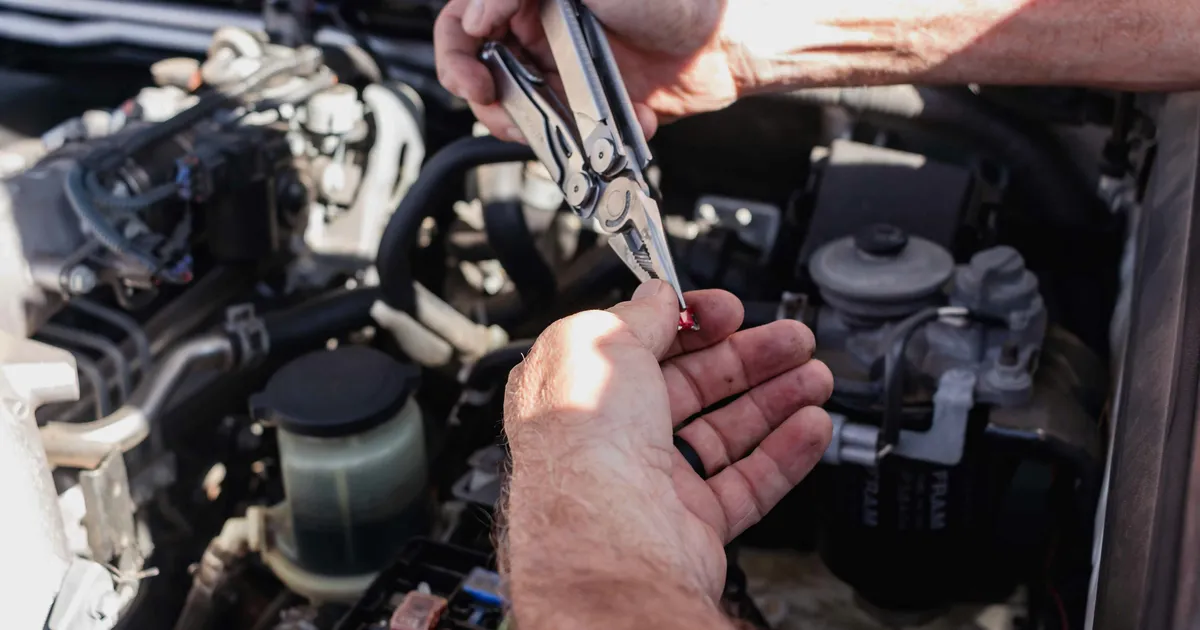
I once had a friend who, despite my persistent nudges, ignored a faint squeal from his brakes for months. He thought it was just a minor annoyance, something that could wait until his next oil change. Fast forward a few more weeks, and that minor squeal escalated into a grinding roar, eventually costing him a hefty sum for new rotors, calipers, and pads – a repair that was several times more expensive than if he’d addressed the issue promptly. This cautionary tale highlights a crucial truth: many common car problems, often dismissed as trivial, can quickly spiral into costly, time-consuming repairs if neglected. Proactive maintenance isn’t just about saving money; it’s about ensuring your safety and extending the life of your vehicle, allowing you to drive confidently well into 2026 and beyond.
The Silent Killer: Battery Woes
Few things are more frustrating than turning the key only to be met with a dead silence. A failing car battery is one of the most common car problems, often signaling its demise with sluggish starts or dimming lights before completely giving up. While modern batteries are designed for longevity, typically lasting 3-5 years, extreme temperatures, short commutes, and parasitic drains can shorten their lifespan considerably. A simple voltage check during your regular oil change can preempt a roadside breakdown, saving you the hassle and expense of an emergency tow and replacement.
Beyond just checking the voltage, maintaining clean battery terminals is paramount. Corrosion, a white or bluish powdery substance, can impede the flow of electricity, making it harder for your battery to deliver power to the starter. Regularly cleaning these terminals with a wire brush and a baking soda-water solution, followed by a protective grease application, can significantly improve battery performance and extend its life. Remember, a healthy charging system, including the alternator, is also key to battery health; if your car frequently needs a jump, the issue might lie beyond the battery itself.
Stopping Power: Brake System Health
Your brakes are arguably the most critical safety system in your vehicle, yet they are often taken for granted until a problem becomes undeniable. Squealing, grinding, or a pulsating brake pedal are all clear indicators that something is amiss. Brake pads wear down over time, and ignoring the early warning signs can lead to metal-on-metal contact, damaging rotors and potentially compromising your ability to stop safely. Regular inspections, ideally every 10,000 to 15,000 miles, are crucial for catching wear before it escalates.
It’s not just about pads and rotors; brake fluid also plays a vital role. This hydraulic fluid transfers the pressure from your pedal to the calipers, engaging the pads. Over time, brake fluid can absorb moisture, leading to a lower boiling point and reduced braking efficiency, especially under heavy use. A professional brake fluid flush, typically recommended every 2-3 years, ensures your braking system remains responsive and reliable. Don’t overlook the importance of having a trusted mechanic check your entire brake system, including lines and calipers, as part of your routine maintenance plan.
Your Car’s Foundation: Tire Care
Tires are the sole point of contact between your vehicle and the road, making their condition paramount for safety, handling, and fuel efficiency. Underinflated tires not only wear out faster and unevenly but also increase rolling resistance, leading to higher fuel consumption. Conversely, overinflated tires can reduce traction and stiffen the ride. Checking your tire pressure monthly, against the manufacturer’s recommendations found in your owner’s manual or on a sticker inside the driver’s door jamb, is a simple habit that pays dividends.
Beyond pressure, regular tire rotation is essential for promoting even wear across all four tires. This practice, typically recommended every 5,000 to 8,000 miles, helps to extend tire life and maintain balanced handling. Additionally, wheel alignment, which can be thrown off by potholes or curb impacts, ensures your tires are tracking straight. Misalignment can cause rapid, uneven tire wear and pull your car to one side, increasing driving fatigue and potentially leading to premature tire replacement. Investing in quality tires and proper care will keep you cruising smoothly well into 2026.
Under the Hood: Fluid Leaks & Levels
Your car relies on a precise cocktail of fluids to operate efficiently and safely. Oil, coolant, transmission fluid, power steering fluid – each plays a critical role. Visible puddles under your car, or even subtle damp spots, are red flags that should never be ignored. A small leak, if left unattended, can quickly lead to a major component failure, such as an engine seizure due to lack of oil or overheating from insufficient coolant. Regularly checking fluid levels and promptly addressing any drops or leaks is fundamental to preventative maintenance.
The Importance of Coolant
Coolant, also known as antifreeze, is vital for regulating engine temperature, preventing both overheating and freezing. Over time, coolant can become contaminated and lose its corrosion-inhibiting properties, leading to rust and scale buildup within the cooling system. A coolant flush and replacement, typically every 30,000 to 60,000 miles, depending on your vehicle and coolant type, is a relatively inexpensive service that protects your engine from significant damage. Always use the correct type of coolant specified by your vehicle manufacturer, as mixing different types can cause serious issues.
Engine’s Cry for Help: Check Engine Light
The illuminated “Check Engine” light often induces a sense of dread, and for good reason. While it can signal something as simple as a loose gas cap, it can also indicate more serious issues like a failing oxygen sensor, catalytic converter problems, or misfires. Ignoring this warning light, even if your car seems to be running fine, is a gamble that rarely pays off. Modern vehicles are complex, and this light is your car’s way of telling you that something in its sophisticated system isn’t operating as it should.
The best first step when the Check Engine light appears is to have the diagnostic trouble codes (DTCs) read by a professional. Many auto parts stores offer this service for free, providing valuable insight into the potential problem. Armed with this information, you can make an informed decision about necessary repairs. Addressing these issues promptly not only prevents further damage but also ensures your vehicle passes emissions tests and maintains optimal fuel efficiency. Don’t let a small light become a big problem.
Key Takeaways
- Embrace Proactive Maintenance: Don’t wait for a breakdown. Regular inspections and adherence to your car’s service schedule are the most effective ways to prevent minor issues from escalating into expensive repairs.
- Understand Your Car’s Signals: Learn to recognize common warning signs like unusual noises, dashboard lights, or fluid leaks. Addressing these indicators early can save you significant time, money, and stress.
- Prioritize Essential Systems: Focus on maintaining critical components such as brakes, tires, and the battery. Their proper functioning is paramount for safety, reliability, and overall vehicle longevity.
- Leverage Professional Expertise: While DIY checks are valuable, regular visits to a trusted mechanic for comprehensive diagnostics and specialized services ensure your vehicle remains in peak condition, especially as technology advances towards 2026 models.
Frequently Asked Questions
How often should I change my car’s oil?
Oil change intervals vary significantly based on your vehicle’s make, model, year, and the type of oil used (conventional vs. synthetic). Modern cars often recommend intervals of 7,500 to 10,000 miles, or even longer with full synthetic oil. Always consult your owner’s manual for the precise recommendations for your specific vehicle, as manufacturer guidelines are the most accurate.
What does it mean if my car is leaking fluid, and how can I identify it?
A car leaking fluid is usually a sign of a problem. The color and consistency of the fluid can help identify its source. Red fluid is typically transmission or power steering fluid; clear, watery fluid could be condensation from the AC; green, blue, or orange fluid is often coolant; and dark brown or black fluid is usually engine oil. It’s crucial to have any leak checked by a mechanic promptly to prevent further damage.
Is it really necessary to rotate my tires?
Yes, tire rotation is very important. It ensures that all four tires wear evenly, as the front and rear axles experience different types of stress and wear patterns. Regular rotation helps maximize the lifespan of your tires, maintains balanced handling, and can even improve fuel efficiency. Most manufacturers recommend rotating your tires every 5,000 to 8,000 miles.
Can I ignore the Check Engine light if my car seems to be running fine?
Ignoring the Check Engine light is never recommended. While your car might seem to be running normally, the light indicates a detected fault within the engine or emissions system. This could range from a minor issue like a loose gas cap to more serious problems that, if left unaddressed, can lead to costly repairs, reduced fuel economy, or even catalytic converter damage over time. Get it diagnosed as soon as possible.
Conclusion
Taking a proactive approach to car maintenance is one of the smartest investments you can make as a vehicle owner. By understanding common car problems and implementing simple, regular maintenance tips, you not only avoid the stress and expense of unexpected breakdowns but also enhance your safety on the road. Remember, your car is a complex machine that relies on consistent care to perform its best. A little attention now can save you a lot of headache and money down the line, ensuring your vehicle remains a reliable companion for years to come.