

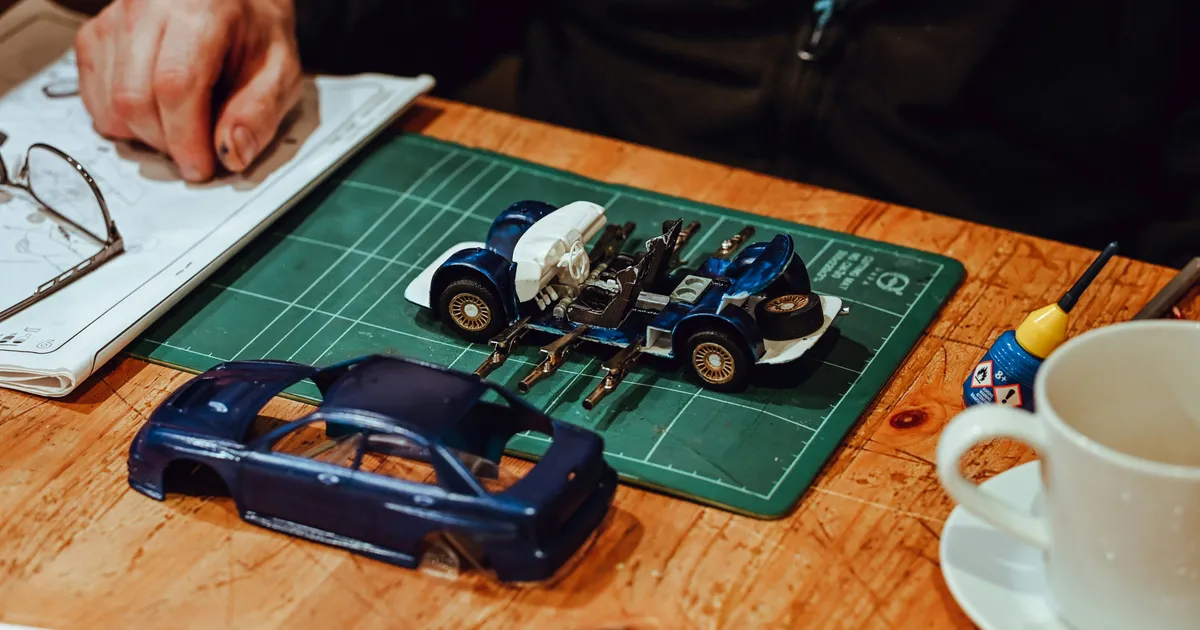
I remember the first time I successfully diagnosed and fixed a persistent squeak in my old ’98 Civic. The feeling of accomplishment, combined with the money saved, was incredibly empowering. It transformed my relationship with my car from a simple driver to a confident caretaker. This experience taught me that with a little guidance and the right attitude, anyone can embark on a beginner guide to DIY vehicle repair and maintenance tasks. It’s not just about saving money; it’s about understanding your vehicle, gaining self-reliance, and enjoying the immense satisfaction of keeping your machine running smoothly. Let’s demystify the garage and get you started on your own journey.
Essential Tools & Safety First
Before you even think about loosening a bolt, safety must be your absolute priority. Always work on a level surface, use sturdy jack stands after lifting your vehicle (never rely solely on a jack), and wear appropriate personal protective equipment like safety glasses and gloves. Essential tools for a beginner include a good quality socket set, a combination wrench set, various screwdrivers, pliers, and a reliable multimeter for basic electrical checks. Investing in these foundational tools will serve you well for years to come, making tasks easier and safer.
Creating a safe and organized workspace is just as crucial as having the right tools. Ensure good lighting, especially when working underneath the vehicle, and adequate ventilation if you’re dealing with fumes. Keep your tools clean and put away after each use to prevent accidents and make them easier to find next time. Remember, patience is a virtue in DIY mechanics; rushing can lead to mistakes or injuries. Always consult your vehicle’s owner’s manual for specific safety precautions relevant to your model before starting any work.
Basic Fluid Checks & Oil Changes
Regular fluid checks are the lifeblood of preventive maintenance and one of the easiest tasks for a beginner. You should routinely check your engine oil, coolant, brake fluid, power steering fluid, and windshield washer fluid. Familiarize yourself with the dipsticks and reservoirs under your hood, noting the recommended levels and colors of each fluid. Low or discolored fluids can be early indicators of potential problems, allowing you to address them before they escalate into costly repairs. This simple habit can significantly extend your vehicle’s lifespan.
Changing your engine oil and filter is arguably the quintessential DIY maintenance task. It typically involves draining the old, dirty oil, removing the old oil filter, installing a new filter, and refilling with the correct type and amount of fresh oil. Always refer to your owner’s manual for the specific oil viscosity and filter type recommended for your vehicle, especially for newer models like those from 2026. Proper disposal of used oil is also critical; most auto parts stores offer free recycling services, ensuring environmental responsibility.
Tire Care: Pressure, Rotations & Flats
Your tires are the only part of your vehicle that touches the road, making their proper maintenance paramount for safety and efficiency. Regularly checking your tire pressure with a reliable gauge is non-negotiable; incorrect pressure can lead to uneven wear, reduced fuel economy, and compromised handling. The recommended pressure is usually found on a sticker inside your driver’s side door jamb or in your owner’s manual. Additionally, performing tire rotations every 5,000-7,500 miles helps ensure even wear across all four tires, prolonging their life.
Knowing how to change a flat tire is a fundamental skill that every driver should possess. Practice this task in a safe, controlled environment before you’re forced to do it on the side of a busy road. Beyond flats, regularly inspect your tire tread depth using a penny test (or a dedicated gauge) to ensure adequate traction, especially in wet conditions. Remember that tire technology continues to evolve, so staying updated on best practices for 2026 models through resources like Tire Rack’s Tech Information can keep you informed.
Brake System Inspection & Basics
Your vehicle’s brakes are its most critical safety system, and recognizing signs of wear is essential. Common indicators that your brakes need attention include squealing or grinding noises when braking, a pulsating brake pedal, or a spongy feeling when you press the pedal. A visual inspection of your brake pads and rotors can often reveal significant wear or damage. Look for thin brake pads (usually less than 3mm thick) or deep grooves and scoring on the rotor surface. Addressing these issues promptly prevents more extensive and costly damage.
Understanding Your Brake System
Most modern vehicles use a disc brake system on all four wheels, though some might still feature drum brakes on the rear. Disc brakes consist of a caliper, brake pads, and a rotor. When you press the brake pedal, hydraulic pressure forces the caliper to squeeze the pads against the spinning rotor, creating friction that slows the wheel. Drum brakes, conversely, use shoes that press outward against the inside of a drum. Understanding these basic mechanics helps you diagnose issues and appreciate the vital role each component plays in stopping your vehicle safely and effectively.
Understanding Your Vehicle: Manuals & Online Resources
Your vehicle’s owner’s manual is an invaluable, often overlooked, resource. It’s packed with crucial information specific to your make and model, including recommended maintenance schedules, fluid capacities and types, warning light explanations, and detailed instructions for basic tasks like checking fluids or changing a tire. Before attempting any repair or maintenance, always consult this manual first. It acts as your personalized instruction guide, preventing guesswork and ensuring you follow manufacturer specifications.
Beyond the owner’s manual, the internet offers a wealth of knowledge for the aspiring DIY mechanic. Reputable automotive forums, YouTube channels dedicated to specific vehicle models, and paid repair manual subscriptions (like Haynes or Chilton) can provide step-by-step visual guides and troubleshooting tips. Always cross-reference information from multiple sources to ensure accuracy, especially when dealing with complex systems or newer vehicle technologies. Leveraging these resources effectively can significantly shorten your learning curve and boost your confidence in tackling a wide array of tasks, even for vehicles well into 2026.
Key Takeaways
- Empowerment & Savings: Embracing DIY vehicle maintenance not only saves significant money on labor costs but also fosters a deep sense of accomplishment and self-reliance, transforming your relationship with your car.
- Safety First, Always: Prioritize safety by using proper equipment like jack stands, wearing eye protection and gloves, and working in a well-lit, level, and ventilated area. Never cut corners when it comes to personal safety.
- Start Small, Learn Gradually: Begin with simple, high-impact tasks like fluid checks and tire pressure monitoring. As your confidence and knowledge grow, you can progressively tackle more complex repairs, building your skill set over time.
- Knowledge is Your Best Tool: Your owner’s manual is indispensable. Supplement it with reputable online resources, repair manuals, and community forums. Understanding your vehicle’s systems and components is crucial for effective diagnosis and repair.
Frequently Asked Questions
Is DIY vehicle repair really safe for beginners?
Yes, absolutely, as long as you prioritize safety. Start with simple tasks, use the correct tools, follow instructions meticulously, and never work under a vehicle supported only by a jack. Many basic maintenance tasks are designed to be straightforward and safe for anyone to perform with a little guidance.
What’s the most common beginner mistake to avoid?
One of the most common beginner mistakes is not using jack stands properly or at all. Relying solely on a hydraulic jack is extremely dangerous. Another common error is over-tightening bolts, which can strip threads or break components, leading to more costly repairs than the original task.
How often should I check my fluids?
A good rule of thumb is to check your essential fluids (engine oil, coolant, brake fluid, power steering fluid, windshield washer fluid) at least once a month, or before a long road trip. Some fluids, like engine oil, have specific service intervals, but a quick visual check can catch issues early.
When should I know to take my car to a professional?
You should take your car to a professional when a task exceeds your skill level, requires specialized tools you don’t own, or involves critical safety systems (like complex brake or steering components) that you’re not confident in repairing. Any persistent warning lights on your dashboard, strange noises you can’t identify, or significant performance issues are also indicators to seek expert help.
Conclusion
Diving into DIY vehicle repair and maintenance might seem daunting at first, but it’s an incredibly rewarding endeavor. You’ll gain a deeper understanding of your vehicle, save money, and build a valuable skill set that offers immense satisfaction. Start with the basics, prioritize safety, and leverage the wealth of information available. With patience and a willingness to learn, you’ll soon be tackling tasks with confidence, ensuring your vehicle remains reliable and road-ready for years to come. Your journey as a DIY mechanic begins now.