

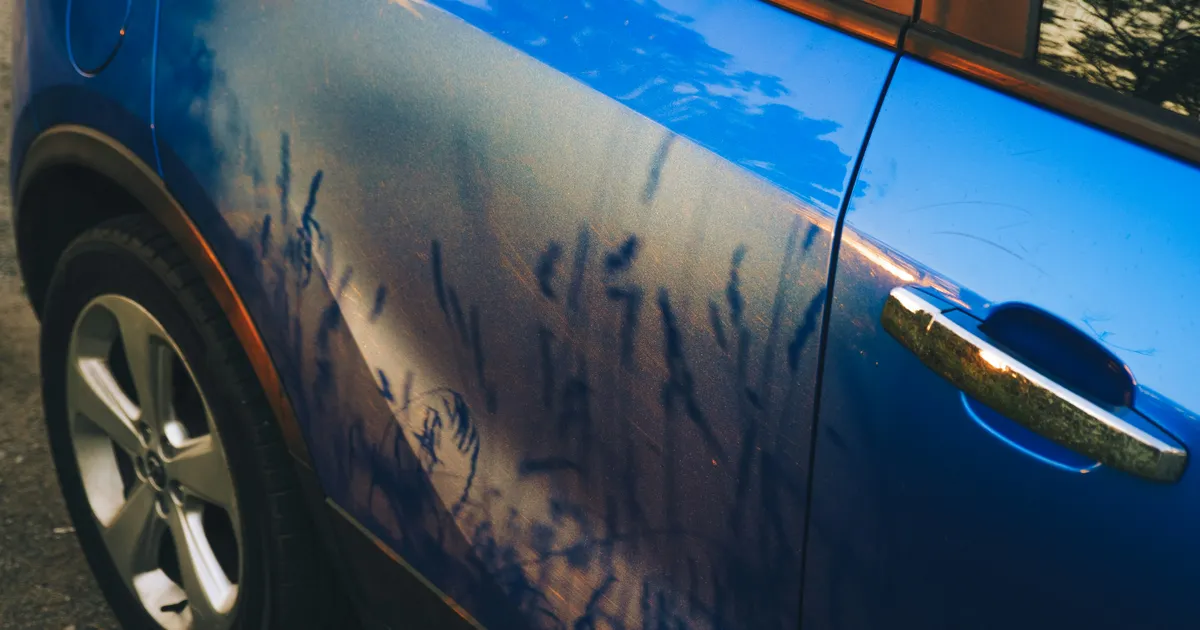
There’s a unique sting that comes with discovering a fresh scratch or a new ding on your beloved vehicle. I remember the first time I found a key mark stretching across my car door – my heart sank, and my immediate thought was, “Well, that’s going to cost a fortune.” But over my years of tinkering and learning, I’ve discovered that many of these seemingly daunting issues, from unsightly exterior blemishes to stubborn interior woes, are surprisingly amenable to simple DIY fixes for scratches, dents, and interior problems. With a bit of patience, the right tools, and some genuine elbow grease, you can restore much of your car’s former glory, saving a significant amount of money and gaining immense satisfaction in the process. This isn’t just about saving cash; it’s about empowerment and understanding your vehicle better.
Conquering Surface Scratches and Swirls
Those annoying surface scratches that catch the light just right, making your car look older than it is, are often more superficial than they appear. For light clear coat scratches and swirl marks, a good quality scratch remover compound is your best friend. These compounds contain microscopic abrasives that gently level the clear coat around the scratch, effectively making it disappear. Apply a small amount to a microfiber applicator pad and work it into the scratch using a circular motion with moderate pressure. It’s crucial to work in small sections and wipe away residue frequently to inspect your progress, ensuring you don’t over-abrade the area.
Deeper scratches that penetrate the clear coat but haven’t reached the primer or bare metal can often be addressed with touch-up paint. The key here is meticulous preparation: clean the area thoroughly, use a fine-tip brush or pen to apply very thin layers of paint, allowing each to dry completely before the next. Building up the paint gradually helps it blend seamlessly with the surrounding finish. Once dry, a clear coat touch-up pen can be applied for added protection and a factory-like sheen. Remember, matching the exact paint code, usually found on a sticker in your door jamb or glove box, is absolutely vital for a successful repair.
Tackling Minor Dents Without a Body Shop
Minor dents, especially those without significant paint damage, are often prime candidates for DIY repair, circumventing costly visits to the body shop. The paintless dent repair (PDR) method, while requiring some finesse, can be replicated at home for smaller dings. Suction cups, often found in kits, work by creating a vacuum that pulls the metal back into its original shape. For very small, shallow dents, some enthusiasts even achieve success by carefully heating the dented area with a heat gun (keeping it moving to prevent scorching the paint) and then rapidly cooling it with compressed air, causing the metal to contract and pop out.
Another popular technique for minor dents involves using specific glue-pulling tabs. These tabs are adhered to the center of the dent with a specialized hot glue, then a pulling tool is used to gently leverage the tab, slowly coaxing the metal outwards. Success with these methods hinges on patience and a light touch. It’s imperative to clean the surface thoroughly before starting and to work slowly, making small adjustments rather than aggressive pulls. Rushing the process can exacerbate the problem, potentially stretching the metal or damaging the paint, turning a simple fix into a more complex repair.
Revitalizing Your Vehicle’s Interior
Understanding Interior Fabric Types
Before diving into interior repairs, it’s essential to identify the material you’re working with. Modern vehicle interiors boast a variety of fabrics, from durable cloth and plush velour to sophisticated leather and synthetic leathers like vinyl or Alcantara. Each material demands a specific approach and product. For instance, a stain remover safe for cloth might be too harsh for leather, causing discoloration or damage. Similarly, a leather repair kit won’t adhere properly to a cloth tear. Always check your car’s manual or a reliable automotive resource like a manufacturer’s service guide to confirm material types before purchasing any repair solutions, ensuring you select the correct products for optimal results and preventing further damage to your car’s cabin.
Interior problems like tears, scuffs, and stubborn stains can significantly detract from your car’s appeal, but many are surprisingly simple to address. For cloth upholstery tears, fabric repair kits come with adhesive-backed patches and colored fibers that can be blended to match your existing fabric, creating an almost invisible mend. For leather or vinyl, specialized repair kits include fillers and dyes that allow you to patch small holes or tears and color-match the repair to the surrounding material. Stains, whether from coffee spills or muddy shoes, often respond well to targeted upholstery cleaners, sometimes even a simple mixture of mild soap and water applied with a microfiber cloth, followed by thorough blotting to lift the grime.
Beyond repairs, maintaining your interior involves regular cleaning and protection. For example, using a UV protectant on your dashboard and other plastic surfaces can prevent cracking and fading over time, especially in hot climates. For leather, a good quality leather conditioner not only keeps the material supple and prevents drying but also adds a protective barrier against spills and scuffs. Regularly vacuuming and wiping down surfaces with appropriate cleaners will significantly extend the life and appearance of your interior, making a noticeable difference in your car’s overall feel and value, especially looking ahead to 2026.
Restoring Dashboard and Plastic Trim
Scratches and scuffs on dashboard plastics, door panels, and other interior trim pieces are common, but they don’t have to be permanent. For light scuffs, a plastic polish or a specialized plastic scratch remover can often buff away the imperfections, restoring the original sheen. These products typically contain fine abrasives that gently smooth the surface. For deeper scratches or gouges, plastic repair kits are available that involve filling the damaged area with a resin or filler, then sanding and painting to match the surrounding texture and color. Patience is paramount here, as achieving an invisible repair requires careful attention to detail and multiple thin layers.
Faded or discolored plastic trim, particularly exterior pieces exposed to the elements, can be revitalized using plastic restorers or back-to-black treatments. These products penetrate the plastic, restoring its natural oils and color, offering a dramatic improvement in appearance. For more severe fading or to change the color of interior plastic, vinyl dyes or specialized plastic paints can be applied. Always clean the surface meticulously before application, ensuring it’s free of grease and dirt for optimal adhesion. For a comprehensive guide on plastic restoration, you might find resources from reputable auto detailing communities like Autogeek or Chemical Guys incredibly helpful, providing step-by-step instructions for various plastic types and finishes.
Eliminating Persistent Odors
Unpleasant odors lingering in your car’s interior can be incredibly frustrating and diminish the driving experience. Before resorting to air fresheners that merely mask the problem, it’s crucial to identify and eliminate the source. Thoroughly vacuuming carpets, floor mats, and upholstery is the first step, as trapped dirt and food particles are common culprits. For pet odors or spilled liquids, a specialized enzyme-based odor remover can break down the organic matter causing the smell. Apply generously to the affected area, allowing it to soak in before blotting dry, and repeat as necessary until the odor is gone.
Beyond surface cleaning, consider the less obvious sources. The cabin air filter, often overlooked, can harbor mold, mildew, and other odor-causing contaminants. Replacing this filter annually, or more frequently if you drive in dusty conditions, can make a significant difference in air quality. For deeply embedded smells, activated charcoal bags or even an ozone generator (used with extreme caution and proper ventilation, as ozone can be harmful in high concentrations) can neutralize odors by breaking down airborne molecules. For more information on ozone generator safety and usage, consult authoritative sources such as the EPA’s guidelines on ozone generators in indoor environments, which stress careful application. Addressing odors effectively creates a much more pleasant and hygienic cabin environment for you and your passengers.
Key Takeaways
- Embrace Patience and Precision: Most simple DIY fixes for scratches, dents, and interior problems require a methodical approach. Rushing can often lead to worse outcomes, so take your time, work in small sections, and follow product instructions diligently.
- Invest in Quality Products: While DIY aims to save money, skimping on repair kits, compounds, or cleaners can lead to unsatisfactory results or even damage. Research reputable brands and read reviews to ensure you’re using effective and safe products for your specific issue.
- Know Your Limits: While many minor issues are DIY-friendly, some damage, especially large dents, deep paint gouges, or complex electrical problems, is best left to professionals. Attempting repairs beyond your skill level can be costly in the long run.
- Preventative Maintenance is Key: Regular cleaning, waxing, and protecting your car’s exterior and interior surfaces can significantly reduce the occurrence of scratches, stains, and fading. A little proactive effort goes a long way in maintaining your vehicle’s condition well into 2026.
Frequently Asked Questions
When should I absolutely avoid DIY car repairs?
You should generally avoid DIY for structural damage, complex electrical issues, airbag system problems, or any repairs that could compromise your vehicle’s safety features. Also, for very large or sharp dents that involve stretched metal or significant paint loss, professional bodywork is almost always the superior and safer option.
Are DIY scratch and dent fixes permanent?
The permanence of DIY fixes varies. For surface scratches, a properly applied compound can make them disappear permanently. Touch-up paint, if done well, can last for years. Minor dent repairs are generally permanent once the metal is reshaped. However, the longevity always depends on the quality of the repair, the products used, and subsequent care.
What’s the most common mistake people make with DIY car repairs?
The most common mistake is impatience and failing to follow instructions. Many DIY repairs require multiple thin layers, precise application, or specific drying times. Rushing these steps, using too much product, or not adequately preparing the surface often leads to visible, substandard results.
When is it worth paying a professional instead of DIY?
It’s worth paying a professional when the repair is beyond your skill set, requires specialized tools you don’t own, or if the potential cost of a botched DIY attempt outweighs the initial savings. For issues affecting safety, resale value significantly, or those that are simply too time-consuming for you, professional help is the smart choice.
Conclusion
Taking on simple DIY fixes for scratches, dents, and interior problems can be an incredibly rewarding experience. Not only does it save you money, but it also fosters a deeper connection with your vehicle and provides the satisfaction of a job well done. Remember, the journey from novice to competent DIYer is paved with patience, proper research, and a willingness to learn. By addressing these common issues yourself, you maintain your car’s appearance and extend its life, ensuring it looks and feels great for years to come. So, next time you spot a minor imperfection, consider it an opportunity to roll up your sleeves and get to work.