

I still remember the first time I tried to build a simple bookshelf in my garage. Tools were scattered, materials were piled haphazardly, and I spent more time hunting for a tape measure than actually cutting wood. It was a chaotic mess, and frankly, a safety hazard. That frustrating experience taught me a crucial lesson: a productive workspace isn’t just about having the right tools; it’s about having the right layout. This beginner guide to building a garage workspace will walk you through transforming your cluttered garage into an efficient, enjoyable haven for projects, ensuring you avoid the pitfalls I stumbled into years ago.
Start with a Clear Vision and Purpose
Before you even think about buying a single shelf or workbench, take a moment to truly envision what you want your garage workspace to be. Are you a weekend woodworker, a dedicated DIY mechanic, or perhaps an aspiring artist needing a creative sanctuary? The type of work you intend to do will dictate everything from your layout choices to the specific tools you prioritize. Don’t rush this stage; a clear vision saves countless hours and dollars down the line, preventing impulse buys and wasted space. Think about the largest projects you might undertake and ensure you have room to maneuver them.
Consider the flow of your work. Will you be moving heavy items? Do you need a dedicated “dirty” area for sanding or painting, separate from a cleaner assembly space? Sketch out a few different layouts on paper, experimenting with where your primary workbench, storage, and power tools might live. Even a simple drawing can reveal potential bottlenecks or brilliant solutions you hadn’t considered. This foundational planning is perhaps the most critical step in building a garage workspace that serves your needs effectively for years to come, especially looking ahead to 2026 and beyond.
Optimize Your Layout for Efficiency
The golden rule of garage layout is efficiency. Your most frequently used tools should be within arm’s reach of your primary workbench, not tucked away in a dimly lit corner. Think in zones: a cutting zone, an assembly zone, a finishing zone, and a storage zone. Each should have its own dedicated space, minimizing unnecessary movement and making your workflow seamless. This approach not only boosts productivity but also makes your workspace feel less cluttered and more inviting. Proper zoning helps prevent the “garage sprawl” where tools and materials slowly creep into every available inch.
Consider the size and shape of your garage. If you have a single-car garage, vertical storage becomes your best friend. For larger spaces, you might opt for rolling workbenches or tool carts that allow for flexible configurations depending on the project. Always ensure you have adequate clearance around your main work areas, especially for machinery like table saws or miter saws, where safety is paramount. A well-planned layout minimizes wasted steps and maximizes your time doing what you love, rather than searching for that elusive wrench.
Maximizing Vertical Storage Solutions
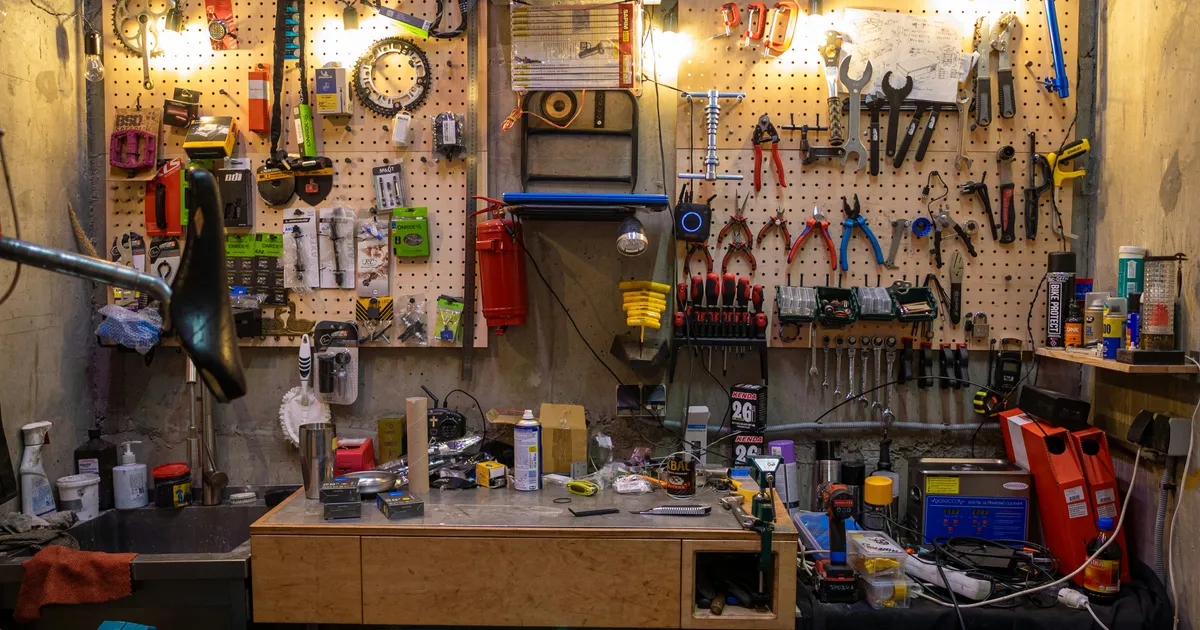
Given that floor space is often at a premium in many garages, looking upwards is a game-changer. Wall-mounted shelving, pegboards, and slat walls are invaluable for keeping tools organized and accessible without eating into your precious floor area. Overhead storage racks are perfect for seasonal items, lumber, or less frequently used equipment, freeing up prime real estate below. Don’t underestimate the power of a well-organized wall; it can literally double your usable storage capacity and transform a cramped space into a functional workshop.
Essential Tools for the Beginner
You don’t need every tool under the sun to start building a functional garage workspace, but a solid foundation is crucial. Begin with quality hand tools: a good set of screwdrivers, wrenches, pliers, a hammer, and an accurate tape measure. For power tools, prioritize a cordless drill/driver, a circular saw, and perhaps an orbital sander. These three will cover a vast majority of common DIY tasks and provide excellent value for their cost. Resist the urge to buy cheap, flimsy tools; investing in better quality now means they’ll last longer and perform better, saving you frustration and money in the long run.
As you progress, you can gradually expand your collection with more specialized items like a miter saw for precise cuts, a jigsaw for curves, or a router for detailing edges. Don’t forget safety gear: good quality safety glasses, hearing protection, and gloves are non-negotiable. Always research tools thoroughly before purchasing, read reviews, and understand their proper use. A great resource for tool reviews and comparisons can be found at Pro Tool Reviews, which offers expert insights into various brands and models. Remember, the right tool makes the job easier and safer.
Crucial Lighting and Electrical Considerations
Adequate lighting is perhaps the most overlooked aspect of a functional garage workspace. Working in shadows is not only inefficient but also dangerous. Overhead LED shop lights are an excellent investment, providing bright, even illumination across your entire space. Supplement these with task lighting over your workbench, such as adjustable LED strips or clamp-on lamps, to eliminate shadows exactly where you’re working. Good lighting reduces eye strain, improves accuracy, and makes your workspace a more enjoyable place to be, especially during long winter nights.
Beyond lighting, assess your electrical needs. Most garages come with limited outlets, which quickly become insufficient for a proper workshop. Consider adding dedicated circuits for high-power tools to avoid tripping breakers, and strategically place additional outlets around your main work areas. If you’re unsure about electrical work, always consult a qualified electrician. Safety is paramount, and improper wiring can be extremely hazardous. Planning for ample power ensures your tools run efficiently and safely, a critical step for any serious garage enthusiast in 2026.
Maintaining a Safe and Organized Space
A truly professional garage workspace is always a safe and organized one. Regular cleanup isn’t just about aesthetics; it’s about preventing accidents. Keep pathways clear, store tools properly after each use, and promptly clean up spills or sawdust. Implement a system for everything: labels for bins, designated spots for hand tools, and a clear method for scrap wood. A place for everything, and everything in its place, isn’t just a quaint saying; it’s a fundamental principle for a productive and safe environment. This systematic approach will save you countless hours searching for misplaced items.
Beyond daily habits, think about long-term safety measures. Ensure fire extinguishers are easily accessible and regularly checked. If you’re working with dust-producing tools, consider a dust collection system or at least a shop vac with a HEPA filter to protect your lungs. Always read and follow the safety instructions for every tool you own. For comprehensive safety guidelines, the Occupational Safety and Health Administration (OSHA) provides excellent resources, even for home workshops. Your well-being should always be the top priority in your garage workspace.
Key Takeaways
- Strategic Planning is Paramount: Don’t jump straight into buying tools. Dedicate time to envision your workspace’s purpose, sketch layouts, and plan for workflow efficiency to avoid costly mistakes and ensure your garage meets your specific needs.
- Optimize Layout for Workflow & Safety: Design your space with distinct zones for different tasks (cutting, assembly, storage) and prioritize vertical storage solutions to maximize floor space. Ensure ample clearance around machinery for safe operation and easy movement.
- Invest in Quality Essential Tools: Start with a core set of reliable hand and power tools (drill, circular saw, sander) and always include necessary safety gear. Quality tools offer better performance, durability, and safety compared to cheaper alternatives.
- Prioritize Lighting and Electrical Safety: Install bright, even overhead LED lighting supplemented with task lighting over workbenches. Plan for sufficient and safely wired electrical outlets, consulting a professional electrician if adding new circuits.
Frequently Asked Questions
What’s the absolute first step for a beginner setting up a garage workshop?
The very first step is to declutter and clean your garage thoroughly. You can’t plan an effective layout if you’re working around years of accumulated junk. Once it’s empty, or at least organized, you’ll have a clear canvas to visualize your workspace and measure accurately.
How can I make my garage workshop comfortable in extreme temperatures?
Insulation is key. Consider insulating your garage door and walls. For heating, an electric radiant heater or a propane-fired forced-air heater can be effective. For cooling, a large industrial fan or a portable evaporative cooler works wonders, alongside good ventilation to draw out hot air.
Should I build my own workbench or buy a pre-made one?
Both options have merits. Building your own allows for complete customization to your specific needs, size, and budget, and can be a rewarding first project. Pre-made workbenches offer convenience and often come with built-in storage, but might not perfectly fit your space or exact requirements. For a beginner, a sturdy, simple DIY workbench can be a great learning experience.
What’s a good budget for a beginner garage workshop setup?
A reasonable starting budget for essential tools, basic shelving, and a decent workbench could range from $500 to $1500, depending heavily on the quality of tools and materials you choose. Remember, you don’t need to buy everything at once; prioritize core tools and expand your collection gradually as your skills and projects evolve.
Conclusion
Transforming your garage into a functional, inspiring workspace is an incredibly rewarding endeavor. By taking the time to plan thoughtfully, prioritize proper layout, invest wisely in essential tools, and focus on safety and organization, you’ll create a space that fosters creativity and productivity. Remember, this isn’t just about hammering nails or turning wrenches; it’s about crafting an environment where you can pursue your passions and bring your projects to life. Embrace the journey, and enjoy the satisfaction of a well-built garage workspace.