

I once saw a seasoned mechanic, a true wizard with wrenches, almost lose a finger because he skipped a crucial safety step with a simple bench grinder. It was a stark reminder that even the most experienced among us can become complacent. This incident, thankfully not severe, hammered home a lifelong lesson: mastering the complete guide to using garage equipment safely and effectively isn’t just about efficiency; it’s about protecting your livelihood, your body, and your peace of mind. Whether you’re a weekend warrior or a professional, understanding the nuances of your tools, from the smallest socket to the mightiest lift, is paramount. Let’s dive deep into how you can transform your garage into a bastion of productivity and safety, ensuring every project, big or small, is completed without incident.
The Foundation of Safety: Personal Protective Equipment (PPE)
Before you even think about turning a wrench or plugging in a power tool, your personal protective equipment (PPE) should be your first line of defense. This isn’t just a recommendation; it’s a non-negotiable requirement for anyone serious about working safely. I’ve always preached that investing in quality PPE is a direct investment in your well-being. Think beyond just safety glasses; consider robust ear protection, sturdy work gloves that offer both dexterity and protection, and steel-toed boots that can withstand a dropped engine part. A proper respirator, especially when dealing with sanding dust or fumes, is also critical for long-term health, a point often overlooked by enthusiastic DIYers until it’s too late.
The right PPE acts as a vital barrier between you and potential hazards, from flying debris and chemical splashes to crushing injuries and excessive noise exposure. Many incidents I’ve observed, or even personally experienced in my younger, less cautious days, could have been avoided or significantly mitigated with appropriate gear. Always check your PPE for wear and tear before each use; a cracked face shield or worn-out glove offers little protection. Remember, complacency is the enemy of safety, and regularly updating your safety gear, perhaps making a point to review new innovations by 2026, is a smart move for any dedicated enthusiast or professional.
Understanding Your Tools: Power and Hand Equipment
Every tool in your garage, whether it’s a gleaming new impact wrench or a trusty old screwdriver, has a specific purpose and requires a particular approach to safety and effective use. Misusing a tool, even a seemingly innocuous one, can lead to damage to the equipment, your project, or worse, yourself. I’ve seen folks try to use pliers as a hammer or a screwdriver as a chisel, and the results are almost always disastrous. The key lies in reading manuals, understanding torque specifications, and knowing the limitations of each device. Proper technique not only prevents accidents but also ensures the longevity of your tools and the quality of your work.
When it comes to power tools, the stakes are even higher. Always ensure they are properly grounded, inspect cords for damage, and never bypass safety guards. Take the time to understand features like clutch settings on drills or blade depth adjustments on saws. A cordless drill, for instance, offers incredible convenience, but a high-torque setting can easily spin out of your hand if you’re not prepared, potentially causing injury. Regular cleaning and lubrication also play a huge role in keeping power tools operating smoothly and safely, preventing binding or unexpected malfunctions that can occur with neglected equipment.
Compressed Air Systems: More Than Just PSI
Compressed air systems are incredibly versatile and powerful, but they also harbor significant potential for danger if not handled correctly. Beyond the obvious risk of hearing damage from loud compressors, the high-pressure air itself can be incredibly dangerous. Never, under any circumstances, direct an air nozzle at yourself or another person; air entering the bloodstream through a cut or even a tiny pore can cause an embolism, which is potentially fatal. This isn’t an exaggeration; it’s a serious hazard that many people underestimate when using their air tools for tasks like cleaning.
Furthermore, the hoses and fittings within your compressed air system require meticulous attention. Inspect hoses regularly for cracks, bulges, or leaks, and ensure all connections are secure. A whipping hose under pressure can cause severe injury. Always drain your compressor tank to prevent rust and maintain optimal performance, and never exceed the maximum pressure rating for any tool or accessory. For more in-depth guidelines on compressed air safety, resources like those from the Occupational Safety and Health Administration (OSHA) offer invaluable information that everyone should review.
Lifting and Supporting Vehicles: Jacks, Stands, and Lifts
Working under a vehicle presents some of the most serious hazards in any garage, making the proper use of lifting and supporting equipment absolutely critical. I’ve heard too many tragic stories of vehicles falling, often due to improper jack stand placement or reliance on a jack alone. A jack is for lifting; jack stands are for supporting. This distinction is fundamental. Always use appropriately rated jack stands for your vehicle’s weight and place them on a solid, level surface under designated support points, usually indicated in your vehicle’s owner’s manual.
For those fortunate enough to have a vehicle lift, the safety protocols are even more stringent. Regular professional inspections, typically annually, are not just a good idea; they’re often mandated for commercial operations and highly recommended for serious home garages. Always ensure the lift arms are correctly positioned and locked, and the vehicle is stable before raising it. Double-check the safety latches before venturing underneath. Never exceed the lift’s weight capacity, and always lower the vehicle slowly and deliberately. The safety features on modern lifts in 2026 are excellent, but they are only effective if used correctly and maintained diligently.
Workshop Organization and Environment
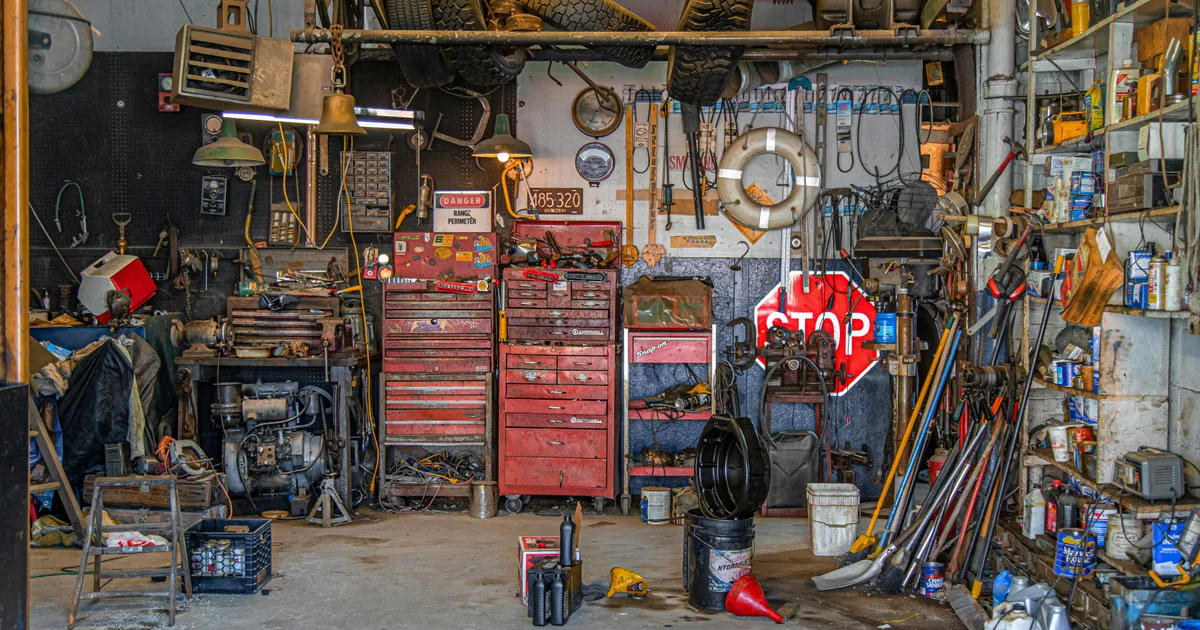
A cluttered, disorganized garage isn’t just an eyesore; it’s a significant safety hazard. Tripping over tools, slipping on spills, or fumbling for the right equipment in a chaotic space dramatically increases the risk of accidents. Maintaining a clean and organized workspace is a core principle of effective and safe garage work. I personally advocate for a “place for everything, and everything in its place” philosophy. This means using tool chests, wall mounts, and clearly labeled storage bins to keep your tools accessible yet out of the way, reducing clutter on the floor and workbenches.
Beyond organization, the overall environment of your garage plays a huge role in safety. Ensure adequate lighting to prevent eyestrain and improve visibility, especially when working on intricate tasks. Proper ventilation is crucial when dealing with fumes from paint, solvents, or exhaust, so invest in an exhaust fan or ensure doors and windows can be opened. Spills, whether oil, grease, or chemicals, should be cleaned up immediately to prevent slips and falls. A tidy, well-lit, and ventilated garage isn’t just more pleasant to work in; it’s inherently safer and more efficient, allowing you to focus on the task at hand rather than navigating hazards.
Maintenance and Inspection for Longevity
Just as you maintain your vehicle, your garage equipment also requires regular care and inspection to remain safe and effective. Neglecting tool maintenance is akin to driving a car without changing the oil; eventually, something will fail, often at the most inconvenient—or dangerous—moment. I make it a point to perform a quick visual inspection of my most used tools before and after each project. This includes checking power cords for fraying, looking for cracks in plastic housings, and ensuring moving parts are lubricated and free of debris. It’s a small investment of time that pays dividends in safety and tool life.
For more complex equipment like hydraulic jacks, air compressors, or vehicle lifts, follow the manufacturer’s recommended maintenance schedule religiously. This might involve checking fluid levels, replacing filters, or inspecting critical components for wear. For example, the hydraulic fluid in a jack should be checked and topped up as needed, and the relief valve should be tested periodically. Keeping a log of maintenance activities can be incredibly helpful, ensuring nothing is overlooked. Proactive maintenance not only extends the life of your valuable equipment but, more importantly, prevents unexpected failures that could lead to serious injury or damage. The National Fire Protection Association (NFPA) also offers excellent guides on electrical safety that are relevant to garage equipment maintenance.
Key Takeaways
- Prioritize Personal Protective Equipment (PPE): Always wear appropriate safety glasses, hearing protection, gloves, and sturdy footwear. Never compromise on PPE; it’s your frontline defense against injury.
- Understand Each Tool’s Specific Use and Limitations: Read manuals, know torque specs, and never misuse a tool. Proper technique not only prevents accidents but also extends tool life and improves work quality.
- Exercise Extreme Caution with Lifting Equipment: Always use jack stands for support, never rely solely on a jack. For vehicle lifts, ensure proper positioning, engage safety latches, and adhere to regular professional inspections.
- Maintain an Organized and Safe Environment: A clean, well-lit, and properly ventilated garage is crucial. Organize tools, clean up spills immediately, and ensure adequate airflow, especially when dealing with fumes or dust.
Frequently Asked Questions
How often should I inspect my garage equipment?
A quick visual inspection should be performed before and after each use, especially for frequently used tools. More comprehensive inspections, following manufacturer guidelines, should be done monthly, quarterly, or annually depending on the equipment type and usage frequency. Hydraulic systems, for instance, often require more regular checks.
What’s the most overlooked safety item in a garage?
In my experience, proper ventilation is often the most overlooked. People focus on tools but forget about the air they breathe. Without adequate ventilation, especially when using solvents, paints, or running engines, carbon monoxide poisoning or respiratory issues can become significant long-term health concerns.
Can I really learn advanced techniques safely at home?
Absolutely, with the right approach. Start with simpler tasks, invest in quality tools and safety gear, and always research thoroughly. Many online resources and forums offer step-by-step guides. However, for genuinely complex or high-risk tasks, knowing when to consult a professional or seek expert instruction is a sign of true wisdom and commitment to safety.
What’s the biggest mistake DIYers make with lifting equipment?
The single biggest mistake is relying solely on a hydraulic jack for support. Jacks are designed to lift, not to hold a vehicle for extended periods. Always, without exception, place appropriately rated jack stands under the vehicle’s designated support points once it’s lifted, and give the vehicle a gentle shake to ensure stability before getting underneath.
Conclusion
Navigating the world of garage equipment can be incredibly rewarding, empowering you to tackle projects with confidence and skill. By embracing a mindset of continuous learning, meticulous preparation, and unwavering adherence to safety protocols, you transform your workspace into a highly effective and secure environment. Remember, every bolt tightened, every cut made, and every vehicle lifted comes with an inherent responsibility. Prioritizing safety isn’t just about avoiding accidents; it’s about fostering a culture of excellence that allows you to enjoy your craft for years to come, ensuring every project is a success in 2026 and beyond.