

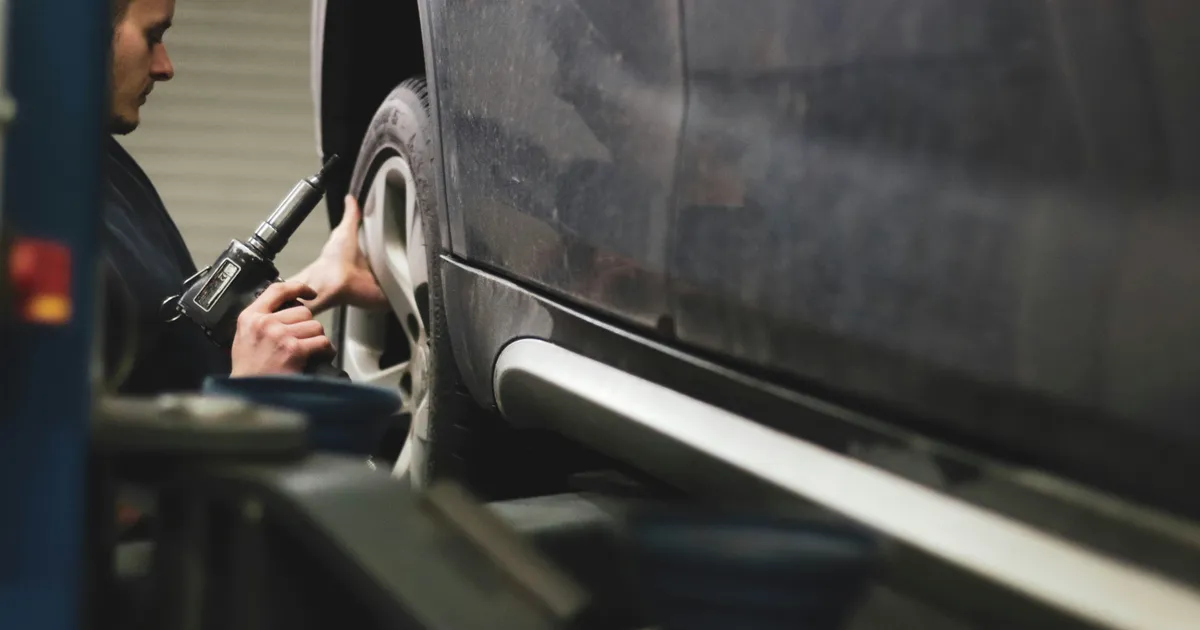
I’ll never forget the day my first car, a trusty but aging sedan, left me stranded on the side of the highway with a blown head gasket. It was a harsh lesson in neglect, one that taught me the hard way that a little proactive care goes a long way. If only I’d had a complete car maintenance checklist back then, my bank account and my pride would have been spared! For beginners, the world of car care can seem daunting, but it doesn’t have to be. This guide is designed to demystify routine maintenance, helping you build confidence and ensure your vehicle runs smoothly and reliably for years to come, potentially even well into 2026 and beyond.
The Essential Daily & Weekly Checks
Before you even think about oil changes or tire rotations, there are simple, quick checks you should integrate into your routine. Every time you get in your car, take a quick glance at your tires – do they look properly inflated? Are there any obvious puddles under the vehicle? These are visual cues that can save you from bigger problems. Weekly, or every few hundred miles, it’s wise to check your fluid levels. This includes your engine oil, coolant, brake fluid, and power steering fluid. Most modern cars have easy-to-read dipsticks and reservoirs, making these checks straightforward, even for absolute novices. This proactive approach helps you catch small issues before they escalate.
Beyond fluids, pay attention to your vehicle’s lights and wipers. A quick walk-around to ensure all headlights, taillights, and turn signals are functioning correctly is crucial for safety, especially as nights draw in. Test your windshield wipers; if they’re streaking or chattering, it’s time for a replacement. Remember, visibility is paramount. Don’t underestimate the importance of clear sightlines, particularly during adverse weather conditions. These small, consistent efforts form the bedrock of a robust car maintenance checklist and contribute significantly to your vehicle’s longevity and your personal safety on the road.
Understanding Your Car’s Vital Fluids
Engine oil is often called the lifeblood of your car, and for good reason. It lubricates moving parts, reduces friction, cleans, and helps cool the engine. Checking your oil level regularly and knowing when to change it is non-negotiable. Most manufacturers recommend changes every 5,000 to 7,500 miles, but your owner’s manual is the definitive guide. Coolant, on the other hand, prevents your engine from overheating and freezing. It’s a mixture of antifreeze and water, and maintaining the correct level and concentration is vital for engine health, especially during extreme temperatures.
Brake fluid is another critical component, transmitting pressure from your foot to the brakes, allowing you to stop safely. A low brake fluid level can indicate a leak or worn brake pads, both serious issues that need immediate attention. Power steering fluid ensures smooth steering, while transmission fluid lubricates gears and keeps your transmission running efficiently. While some fluids might seem intimidating, simply knowing where they are, how to check their levels, and their general purpose is a huge leap forward for any beginner. Consult your owner’s manual for specific fluid types and capacities for your particular make and model.
The Importance of Brake Health
Your brakes are arguably the most important safety system in your car. Ignoring squealing, grinding, or a spongy brake pedal is incredibly dangerous. Regular inspection of brake pads, rotors, and fluid is paramount. Pads wear down over time, and if left too long, they can damage the rotors, leading to a much more expensive repair. A good rule of thumb is to have your brakes inspected by a professional at least once a year, or more frequently if you notice any unusual noises or performance issues. Don’t compromise on brake maintenance; it could literally save your life and those around you.
Tire Care: More Than Just Air
Tires are your car’s only contact with the road, making their condition critical for safety, handling, and fuel efficiency. Checking tire pressure weekly is a must. Under-inflated tires reduce fuel economy, wear out faster, and increase the risk of a blowout. You can find the recommended pressure (PSI) on a sticker inside your driver’s side door jamb or in your owner’s manual, never just on the tire’s sidewall. Properly inflated tires also ensure better handling and a smoother ride, contributing significantly to your driving experience.
Beyond pressure, regularly inspect your tires for tread depth and uneven wear. The penny test is a classic: insert a penny into a tread groove with Lincoln’s head upside down. If you can see the top of his head, your tread is too shallow, and it’s time for new tires. Rotating your tires every 5,000-7,500 miles helps ensure even wear across all four tires, extending their lifespan. Consider learning more about proper tire care from resources like the National Highway Traffic Safety Administration (NHTSA). This simple habit can save you money and keep you safer on the road, especially when facing unexpected road hazards.
Lights, Wipers, & Belts: The Lesser-Known Essentials
While often overlooked, your car’s lighting system is vital for both seeing and being seen. Regularly check all exterior lights – headlights (low and high beams), taillights, brake lights, turn signals, and even license plate lights. A burnt-out bulb can lead to a ticket or, more importantly, a dangerous situation. Similarly, functional windshield wipers are crucial. Replace them at least once a year, or sooner if they start streaking or chattering, especially if you anticipate driving in heavy rain during the upcoming 2026 monsoon season.
Under the hood, several belts and hoses play crucial roles. The serpentine belt drives accessories like the alternator, power steering pump, and air conditioning compressor. Cracks, fraying, or squealing noises indicate it’s time for a replacement. Hoses carry various fluids; check them for cracks, leaks, or bulges. A burst hose can lead to rapid fluid loss and serious engine damage. While these might seem like minor details, their failure can quickly lead to a breakdown. A professional can inspect these during routine service, but knowing what to look for empowers you to be more proactive.
Scheduled Maintenance & Professional Care
While daily and weekly checks are fundamental, your vehicle also requires periodic, more in-depth maintenance that often needs professional attention. Following your car’s manufacturer-recommended service schedule, found in your owner’s manual, is the single most important thing you can do for its longevity. This schedule outlines when to replace spark plugs, air filters, cabin filters, fuel filters, and perform transmission fluid flushes. These services are timed to prevent wear and tear on critical components, ensuring optimal performance and preventing costly repairs down the line.
Beyond scheduled services, it’s wise to have a trusted mechanic perform a comprehensive inspection at least once a year. They can spot issues you might miss, such as worn suspension components, exhaust leaks, or developing electrical problems. Think of it as an annual physical for your car. A good mechanic will not push unnecessary services but will advise you on preventative measures. For example, staying informed about common vehicle issues and recalls via resources like the Consumer Reports Auto Reliability Guide can help you have more informed conversations with your service provider, ensuring your vehicle remains in top condition for 2026 and beyond.
Key Takeaways
- Consistency is Key: Regular, small checks like tire pressure and fluid levels prevent major problems and are easy for beginners to integrate into their routine.
- Owner’s Manual is Your Bible: Always consult your specific vehicle’s owner’s manual for recommended maintenance schedules, fluid types, and tire pressures. It’s the most authoritative source.
- Don’t Ignore Warning Signs: Unusual noises, smells, or dashboard warning lights are your car’s way of telling you something is wrong. Address them promptly to avoid escalating issues and costly repairs.
- Professional Inspections are Crucial: While DIY checks are great, annual professional inspections ensure critical systems like brakes, suspension, and complex engine components are in good working order.
Frequently Asked Questions
How often should I change my oil?
While many modern vehicles can go 5,000 to 7,500 miles or even more between oil changes, the best practice is to consult your vehicle’s owner’s manual. Driving habits (e.g., frequent short trips, heavy towing) can also influence the optimal interval. Synthetic oils generally allow for longer intervals than conventional oils.
What does a “check engine” light mean?
The “check engine” light indicates a problem detected by your car’s onboard diagnostic system. It can range from a loose gas cap to a serious engine issue. While some minor problems might not feel urgent, it’s always best to have the code read by a mechanic or an OBD-II scanner as soon as possible to diagnose and fix the underlying issue.
How can I tell if my tires need to be replaced?
Beyond the legal minimum tread depth, you should replace tires if you notice significant cracks in the sidewall, bulges, or punctures that cannot be safely repaired. Uneven wear patterns can also indicate alignment or suspension problems that need addressing before new tires are installed.
Is it really necessary to rotate my tires?
Yes, tire rotation is important because it helps ensure that all four tires wear evenly. Front tires often wear differently than rear tires due to steering and braking forces. Regular rotation (typically every 5,000-7,500 miles) extends the lifespan of your tires and maintains balanced handling, which is crucial for safety.
Conclusion
Embarking on your car maintenance journey as a beginner doesn’t have to be overwhelming. By following this complete car maintenance checklist and integrating these step-by-step routines, you’ll gain confidence and develop a deeper understanding of your vehicle. Remember, a well-maintained car is not just about saving money on repairs; it’s about ensuring your safety and the reliability of your transportation. Embrace these habits, and you’ll enjoy many miles of trouble-free driving well into 2026 and beyond, proving that a little passion and proactive care go a long, long way.