

I still remember the first time I tried to change my own oil. Armed with nothing but a crescent wrench and a vague sense of YouTube-fueled confidence, I ended up with a driveway slicker than an ice rink and a healthy respect for proper tools. That disastrous day taught me a crucial lesson: you don’t need a professional mechanic’s budget to build a functional garage. In fact, some of the most impactful improvements to your DIY capabilities come from surprisingly affordable garage tools. Equipping yourself doesn’t mean breaking the bank; it means making smart, informed choices that empower you to tackle common repairs and maintenance tasks with confidence and safety.
The Foundational Hand Tool Kit
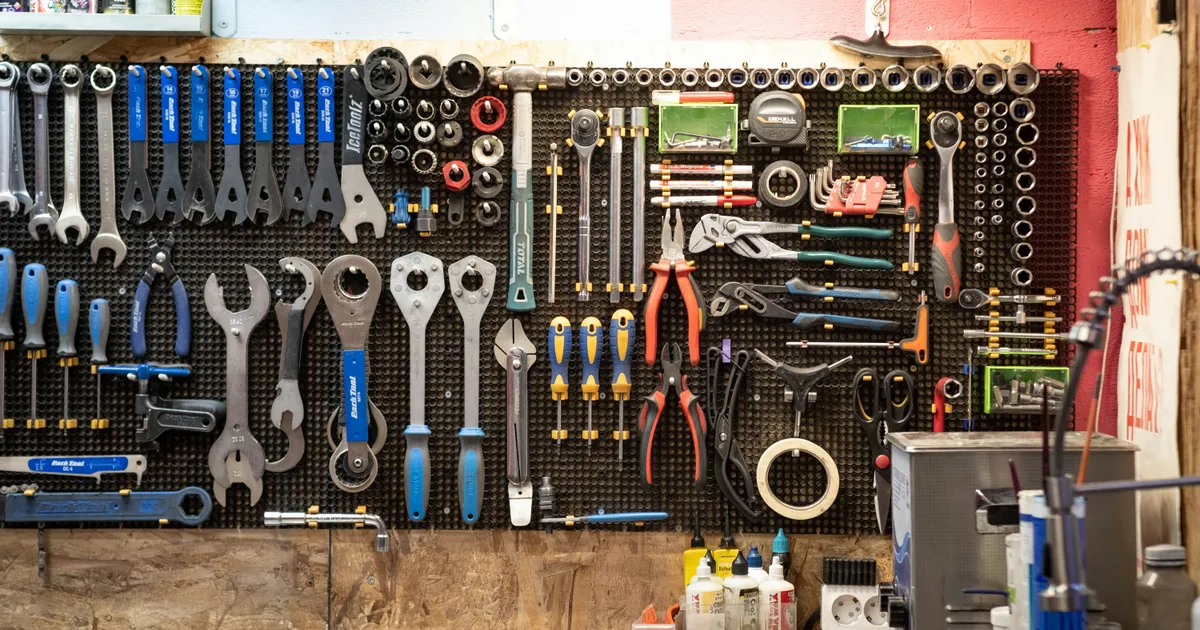
Every serious DIYer knows that a solid set of hand tools is the bedrock of any effective garage. We’re talking about combination wrenches, a good socket set with both standard and metric sizes, and a variety of screwdrivers. Don’t underestimate the power of a well-organized toolbox; it saves countless hours of searching. When selecting these fundamental items, prioritize durability over flashy features. Chrome vanadium steel is usually a good indicator of quality for sockets and wrenches, ensuring they’ll stand up to years of torque and abuse. A decent 3/8-inch drive ratchet is your workhorse, but a smaller 1/4-inch and larger 1/2-inch drive set will expand your capabilities significantly. Look for kits that offer a good range of sizes without too many redundant pieces.
Beyond the basics, think about specialized pliers – needle-nose for tight spots, slip-joint for general gripping, and vice-grips for holding onto stubborn fasteners. A set of Allen keys (hex wrenches) is also indispensable for many automotive components. My personal advice for 2026 is to invest in a magnetic parts tray; it’s a game-changer for keeping track of bolts and nuts that love to roll away into oblivion. These foundational tools are not just about convenience; they’re about ensuring you have the right leverage and grip for every task, preventing stripped bolts and skinned knuckles. Having the right tool makes the job not just possible, but also safer and more efficient.
Lifting and Securing Your Vehicle
Safely lifting and supporting your vehicle is non-negotiable for any under-car work. A good quality floor jack, ideally a low-profile model if you work on newer vehicles, is essential. Look for one with a lifting capacity suitable for your heaviest vehicle, usually 2-3 tons. While a jack lifts, it’s the jack stands that provide crucial safety. Never, ever work under a vehicle supported only by a jack. Two sturdy jack stands are the absolute minimum, but four offer superior stability and peace of mind when you’re getting serious about maintenance.
When purchasing jack stands, ensure they have a wide, stable base and a secure locking mechanism. Ratcheting stands are common and generally reliable, but pin-style stands offer a slightly more robust, albeit slower, adjustment. Before you even think about crawling under your car, always give it a good shake to confirm it’s stable on the stands. This simple step could literally save your life. For added comfort during longer jobs, a sturdy creeper can be a fantastic investment, allowing you to slide under the vehicle easily and reduce strain on your back and neck. These items, though seemingly simple, are the backbone of garage safety for any DIYer.
Essential Diagnostic and Measuring Tools
Gone are the days when car diagnostics were purely mechanical. Modern vehicles are complex computers on wheels, making diagnostic tools incredibly valuable for the home mechanic. A basic OBD-II scanner is a fantastic investment for anyone with a vehicle made after 1996. These affordable devices plug into your car’s diagnostic port and can read “check engine” light codes, giving you vital clues about potential issues. While professional scanners offer more features, even a cheap consumer-grade model can tell you if it’s a simple oxygen sensor issue or something more serious, saving you diagnostic fees at a shop.
Beyond code readers, a good digital multimeter is invaluable for checking electrical circuits, battery voltage, and continuity – tasks that pop up surprisingly often. Don’t forget the humble tire pressure gauge; maintaining correct tire pressure is vital for safety, fuel economy, and tire longevity. A quality digital gauge provides accurate readings quickly. For precision work, a torque wrench is a must-have, ensuring fasteners are tightened to manufacturer specifications, preventing damage or loosening. Understanding how to use these tools effectively, perhaps by consulting resources like Popular Mechanics, can truly elevate your DIY capabilities.
Fluid Management and Organization
Dealing with fluids is an unavoidable part of vehicle maintenance, and having the right tools makes it a clean and manageable process. An oil drain pan is paramount; choose one with a decent capacity (at least 6-8 quarts for most cars) and ideally a spout for easy pouring into recycling containers. A good funnel set, with various sizes and perhaps an extension hose, prevents spills when refilling engine oil, transmission fluid, or coolant. These simple items drastically reduce mess and environmental impact.
Consider adding a fluid transfer pump to your arsenal. These hand-operated pumps are incredibly useful for extracting old fluids from reservoirs (like power steering or brake fluid) or for topping off hard-to-reach transmission fill plugs. Cleanliness is key when working with fluids; always have plenty of shop rags or old towels on hand. Proper organization, storing fluids and tools in designated spots, not only keeps your garage tidy but also makes future tasks more efficient. Remember, responsible disposal of used fluids is crucial – never pour them down the drain. You can often find local recycling centers or auto parts stores that accept used oil and other automotive fluids.
Safety and Comfort Essentials
Working on vehicles inherently carries risks, but with the right safety gear, most can be mitigated. Eye protection is non-negotiable; a good pair of safety glasses or goggles should be worn during any task that involves grinding, hammering, or working with fluids under pressure. Hearing protection, like earplugs or earmuffs, is also important when using impact wrenches or air tools. Protecting your hands with durable work gloves not only prevents cuts and scrapes but also offers a better grip, reducing the chance of accidents.
Beyond personal protection, think about the environment you’re working in. Good lighting, such as an LED work light, is crucial for seeing clearly, especially in cramped engine bays or under the car. A comfortable work mat or creeper can save your back and knees during extended jobs. Even a simple fire extinguisher rated for Class B (flammable liquids) and Class C (electrical equipment) fires is a wise investment for any garage. Being prepared for potential mishaps, by visiting sites like AutoZone for safety tips, ensures your DIY adventures remain enjoyable and safe, extending well into 2026 and beyond.
Key Takeaways
- Start with the Core: Prioritize a high-quality set of combination wrenches, sockets, and screwdrivers. These foundational tools will handle the vast majority of common DIY tasks and are the most cost-effective initial investment for any home mechanic.
- Safety First, Always: Never compromise on safety equipment. A reliable floor jack paired with sturdy jack stands, along with eye protection and gloves, are non-negotiable for working under any vehicle. Your well-being is worth more than any repair cost.
- Embrace Diagnostics: Modern vehicles demand modern approaches. An affordable OBD-II scanner and a digital multimeter can save you significant money on diagnostic fees by helping you pinpoint issues before heading to a professional shop.
- Smart Fluid Management: Invest in proper oil drain pans, funnels, and perhaps a fluid transfer pump. These tools not only keep your workspace cleaner but also ensure responsible handling and disposal of automotive fluids, which is crucial for environmental protection.
Frequently Asked Questions
What are the absolute minimum tools I need to start DIY car maintenance?
To begin, you absolutely need a good set of basic hand tools: a socket set (metric and standard), combination wrenches, a few screwdrivers (Phillips and flathead), and pliers. Crucially, you’ll also need a reliable floor jack and at least two robust jack stands for safe lifting and support. A tire pressure gauge is also a must-have for basic safety checks.
How much should I expect to spend on a decent set of affordable garage tools?
You can build a very functional starter kit for under $300-$500, especially if you shop smart and look for sales. Focus on quality over quantity for essential items like jack stands and primary hand tools. You don’t need every specialized tool right away; build your collection gradually as specific repair needs arise. Investing in durable tools will save money in the long run.
Are cheaper tools from discount stores good enough for occasional use?
While some discount tools might suffice for very light, infrequent tasks, they often lack the durability and precision of slightly higher-priced alternatives. For anything involving significant torque or safety, like suspension work or engine repairs, it’s always better to invest in tools from reputable brands. Stripped bolts or broken tools can quickly turn an affordable repair into a costly nightmare, so choose wisely for critical applications. Resources like Car and Driver often review tool quality.
How can I learn to use these tools effectively and safely?
The best way to learn is through a combination of resources. YouTube is an incredible resource for visual tutorials on specific repairs. Your vehicle’s service manual or an aftermarket repair manual (like Haynes or Chilton) provides step-by-step instructions. Start with simple tasks like oil changes or tire rotations to build confidence. Always double-check safety procedures, especially when lifting a vehicle, and never hesitate to consult multiple sources before attempting a new repair.
Conclusion
Embarking on DIY vehicle maintenance is incredibly rewarding, offering both significant cost savings and a deeper understanding of your machine. Equipping your garage with affordable tools doesn’t mean sacrificing quality or safety; it means making informed decisions. By focusing on foundational hand tools, essential safety equipment, and a few key diagnostic aids, you’re not just buying tools – you’re investing in self-reliance and the satisfaction of a job well done. Start small, learn as you go, and soon you’ll find your garage becoming a hub of productive activity, ready for whatever your vehicle throws at it.