

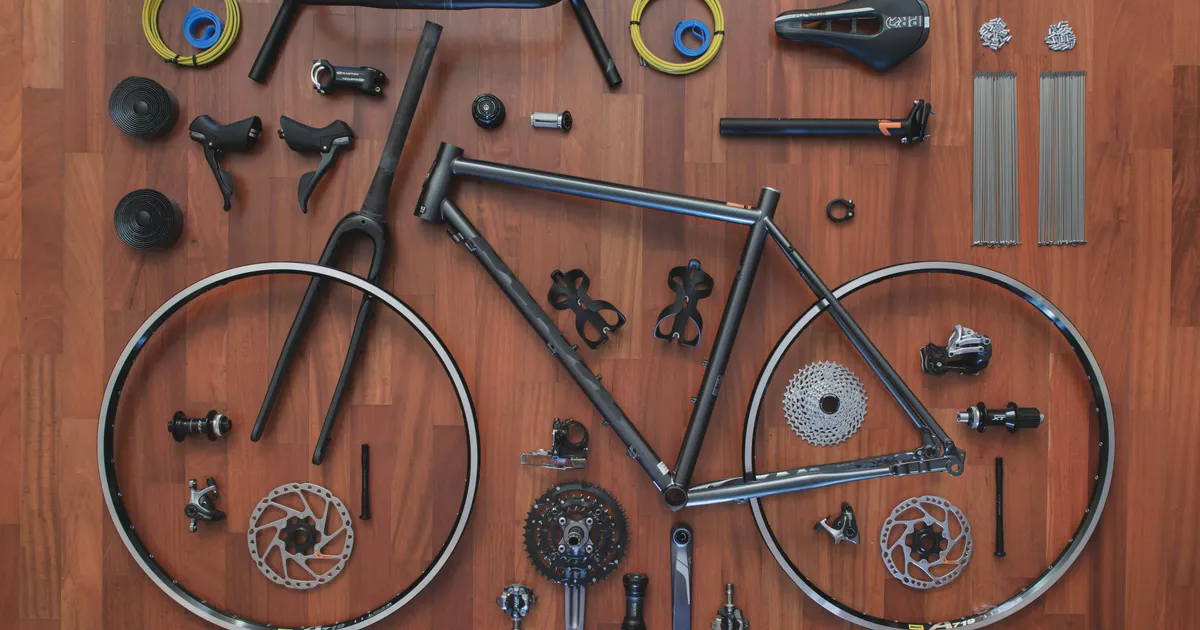
The exhilarating rush of a perfectly functioning bicycle, every component working in seamless harmony, is a feeling every rider cherishes. Yet, I’ve seen countless enthusiasts inadvertently diminish this joy, and even shorten their bike’s lifespan, simply by neglecting a few crucial, easy steps. This complete bike maintenance guide for beginners, complete with daily care tips, isn’t just about prolonging your bike’s life; it’s about transforming your riding experience, making every pedal stroke smoother, safer, and more satisfying. Think of it as investing in your happiness on two wheels, ensuring your trusty steed is always ready for adventure, whether it’s a quick commute or a long weekend exploration.
Daily Checks: The ABCs of a Safe Ride
Before every ride, no matter how short, a quick inspection can prevent a world of trouble. I always start with the “ABC Quick Check”: Air, Brakes, Chain & Cranks, and Quick Releases. Check your tire pressure first; under-inflated tires are prone to flats, make pedaling harder, and compromise handling. Squeeze your brake levers to ensure firm engagement and sufficient pad clearance. Spin your cranks backward, visually inspecting the chain for any obvious kinks or dry spots, and confirm your quick releases or thru-axles are securely fastened. This routine takes less than two minutes but provides immense peace of mind.
Beyond the immediate safety checks, pay attention to any new noises or unusual feelings. A squeak, a clunk, or a bit of play where there wasn’t any before is your bike trying to tell you something. Addressing these minor issues promptly prevents them from escalating into costly repairs. It’s like listening to your body; small aches can become big problems if ignored. Getting into this habit makes you intimately familiar with your bike’s normal operating condition, allowing you to spot anomalies before they become genuine hazards. Your bike, maintained well, will be a reliable partner well into 2026 and beyond.
The Heart of the Ride: Drivetrain Care
Your drivetrain—the chain, cassette, chainrings, and derailleur pulleys—is arguably the hardest working part of your bike. It’s constantly exposed to dirt, grime, and moisture, which can quickly lead to accelerated wear if neglected. My top tip is to clean your chain regularly, especially after riding in wet or dusty conditions. Use a degreaser and a dedicated chain cleaning tool or a brush to remove grit, then rinse thoroughly. This simple act drastically extends the life of your entire drivetrain, saving you significant money on replacement parts.
Once your chain is sparkling clean and dry, apply a high-quality lubricant. Different lubes are designed for different conditions (wet lube for rainy rides, dry lube for dusty environments), so choose wisely. Apply a small drop to each roller, let it penetrate for a few minutes, then wipe off any excess with a clean rag. Excess lube attracts more dirt, defeating the purpose. A well-lubricated chain runs smoothly, shifts crisply, and significantly reduces friction, making your rides more efficient and enjoyable. Think of it as the lifeblood of your bike’s propulsion system.
Stopping Power: Brake System Mastery
Reliable brakes are non-negotiable for safety. Whether you have rim brakes or disc brakes, regular inspection is paramount. For rim brakes, check your brake pads for wear indicators and ensure they are aligned correctly with the rim, not touching the tire. For disc brakes, examine the pads for wear and look for any contamination on the rotors. A good rule of thumb is to replace pads before they wear down to their backing plate, which can damage your rims or rotors. Park Tool offers excellent step-by-step guides for pad replacement.
Cable-actuated brakes require occasional cable tension adjustments as cables stretch over time, leading to a spongy lever feel. Hydraulic disc brakes, on the other hand, might need bleeding if the lever feels squishy or inconsistent, though this is a more advanced task usually best left to a bike shop or an experienced mechanic. Always ensure your brake levers return crisply and that both brakes engage effectively. Never ride with compromised braking, as it puts both you and others at serious risk. A responsive brake system is your ultimate safety net on the road.
Keeping Things Smooth: Bearings and Bolts
Your bike is full of spinning parts that rely on smooth bearings: wheels, bottom bracket, headset, and pedals. While these are often sealed units on modern bikes, it’s still crucial to check for play. Grab your wheel at 12 and 6 o’clock and try to wiggle it side-to-side – any movement indicates loose or worn wheel bearings. Do the same with your headset by rocking the bike back and forth with the front brake engaged. Addressing play early prevents further damage to components and ensures a stable, predictable ride. A bike that feels solid under you is a confident bike.
Essential Torque Specs for Beginners
Many bolts on your bike have specific torque specifications, which are crucial for safety and component longevity. Over-tightening can strip threads or crack carbon components, while under-tightening can lead to parts slipping or falling off. Common areas include stem bolts, seatpost clamp, and crank bolts. While a torque wrench is an investment, it’s invaluable for peace of mind, especially with sensitive materials. If you don’t have one, err on the side of firm but not excessive tightness, and always consult your component manufacturer’s guidelines. Sheldon Brown’s site provides great general advice, but specific component manuals are king.
Tires and Wheels: Your Contact with the Road
Your tires are the only part of your bike that actually touches the ground, making their condition paramount for grip, comfort, and puncture resistance. Beyond daily pressure checks, regularly inspect your tire treads for embedded glass, sharp stones, or excessive wear. Small cuts can be patched or sealed, but deep gashes or exposed casing mean it’s time for a new tire. Sidewall integrity is also key; look for cracks or bulges. A healthy tire ensures optimal traction and a much more pleasant, flat-free experience. Riding on worn tires is a gamble you don’t want to take.
Your wheels, too, deserve attention. Give them a quick spin off the ground and watch the rim. Does it wobble side-to-side? This indicates a wheel that’s out of true, which can affect braking performance and handling. While minor truing can be done at home with a spoke wrench, significant wobbles or broken spokes often require a trip to a bike shop. Also, ensure your quick releases or thru-axles are always securely fastened. A loose wheel is a terrifying prospect, so make this a non-negotiable part of your pre-ride ritual. A well-maintained wheelset is fundamental to a smooth and safe ride in 2026.
Key Takeaways
- Embrace the “ABC Quick Check” Daily: Before every ride, ensure your Air pressure is correct, Brakes are functional, Chain is clean and lubed, and Quick releases are secure. This simple routine prevents most common issues.
- Prioritize Drivetrain Hygiene: Regular cleaning and appropriate lubrication of your chain, cassette, and chainrings are the single best way to extend the life of your most expensive wear parts and maintain smooth shifting.
- Never Compromise on Brakes: Routinely inspect brake pads for wear and ensure proper lever feel. Address any sponginess or lack of stopping power immediately; your safety depends on it.
- Listen to Your Bike: Pay attention to new noises, squeaks, or unusual play in components like wheels or the headset. Early detection of minor issues prevents them from becoming major, costly repairs.
Frequently Asked Questions
How often should I clean my bike’s chain?
Ideally, you should clean your chain after every few rides, or immediately after riding in wet, muddy, or very dusty conditions. A quick wipe-down and re-lube after every ride is a great habit, but a thorough degreasing and cleaning should be done more periodically, depending on your riding frequency and conditions.
What tools do I need for basic bike maintenance?
For beginners, a good set of Allen keys (hex wrenches), a tire pump with a pressure gauge, a chain lube, a degreaser, a few rags, and tire levers are essential. As you get more comfortable, consider adding a chain wear indicator, a spoke wrench, and possibly a torque wrench for more precise adjustments.
Can I use WD-40 on my bike chain?
While WD-40 is a great water displacer and penetrant, it is NOT a lubricant for bike chains. It’s too thin and will quickly evaporate, leaving your chain dry and unprotected. Use a dedicated bicycle chain lubricant designed for the conditions you ride in.
When should I take my bike to a professional mechanic?
You should visit a professional mechanic for tasks beyond your comfort level or expertise, such as wheel truing, suspension servicing, hydraulic brake bleeding, bottom bracket replacement, or any persistent issues you can’t diagnose. A yearly tune-up is also a great idea to catch wear and tear you might miss.
Conclusion
Ultimately, a complete bike maintenance guide for beginners boils down to consistency and attentiveness. Treating your bicycle not just as a machine, but as a trusted companion, will foster a deeper connection and ensure countless miles of trouble-free riding. By dedicating a few minutes to daily checks and embracing regular cleaning and lubrication, you’ll not only enhance your safety and performance but also extend the life of your bike significantly. Ride smart, ride safe, and enjoy the open road with a bike that’s always at its best.