

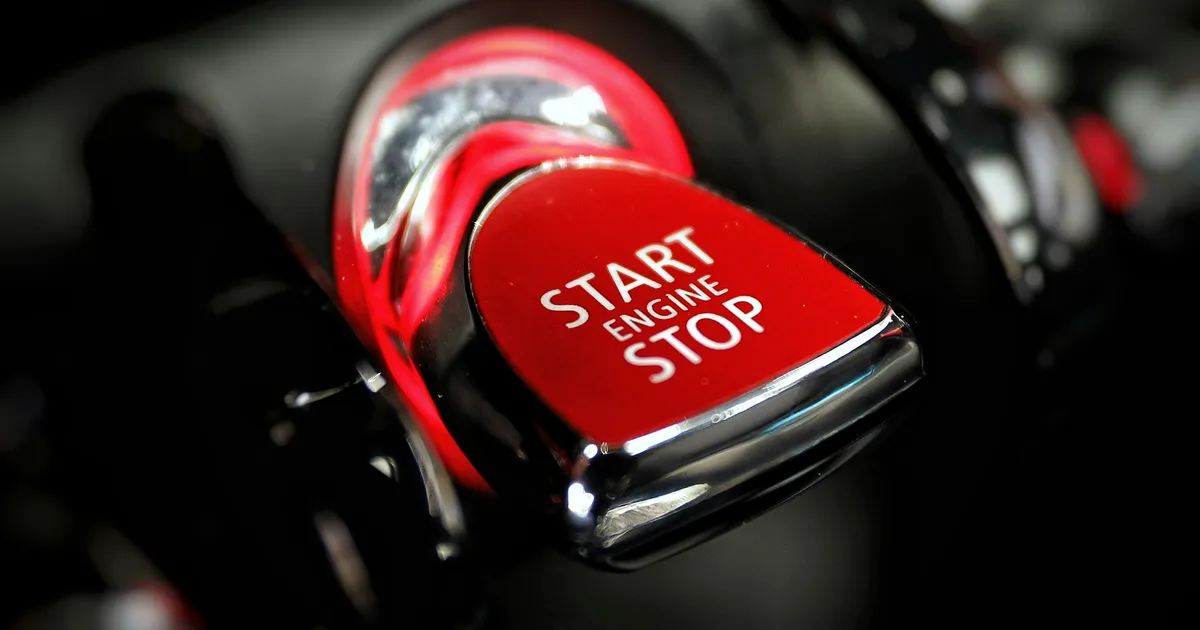
I still remember the sinking feeling in my stomach, stranded in a deserted parking lot after a late-night shift, hearing only a pathetic click instead of a robust engine roar. That moment solidified my understanding of just how vital a reliable starting system is, and why a comprehensive troubleshooting guide for battery issues and starting problems isn’t just helpful, it’s essential for every driver. Navigating these common automotive headaches can be daunting, but with the right knowledge, you can often diagnose and even fix many issues yourself, saving time, money, and that dreaded feeling of helplessness. Let’s dive into demystifying what goes wrong when your car refuses to start.
The Tell-Tale Signs of a Failing Battery
Often, the first indication of a dying battery isn’t a sudden death, but a gradual decline. You might notice your engine cranking more slowly than usual, especially on colder mornings. The headlights or interior lights may appear dimmer when the engine isn’t running, or flicker when you attempt to start the car. A rapid clicking sound when you turn the key is another classic symptom, indicating that the starter motor isn’t receiving enough power to engage, a clear sign your battery is struggling to hold a sufficient charge for crucial starting amps.
Beyond these auditory and visual cues, physical signs can also point to battery trouble. Look for corrosion around the battery terminals, often a white or bluish powdery substance, which can impede electrical flow. A swollen or bulging battery case suggests internal damage, possibly from overcharging or freezing, and warrants immediate replacement. Additionally, a battery that’s more than three to five years old, especially as we approach 2026, is living on borrowed time; its internal chemistry degrades, reducing its ability to store and deliver power efficiently.
Beyond the Battery: Diagnosing Starting System Woes
If your battery checks out fine, the culprit might lie elsewhere in the starting system. The starter motor itself can fail, leading to different symptoms. You might hear a single, loud click but no cranking, which often indicates a faulty starter solenoid that isn’t engaging the motor. Alternatively, a grinding noise suggests the starter’s gear isn’t meshing correctly with the flywheel, potentially due to worn teeth on either component. In some cases, there might be no sound at all, even with a fully charged battery, pointing directly to a dead starter motor or a break in its electrical circuit.
Another critical component is the alternator, responsible for charging the battery while the engine runs and powering the vehicle’s electrical system. If your car starts but then quickly dies, or if the battery warning light illuminates on your dashboard while driving, the alternator is a prime suspect. A failing alternator means your battery isn’t being recharged, eventually leading to a complete power drain. You might also notice dimming lights or accessories malfunctioning while the engine is running, further indicating an issue with power generation rather than just storage.
Understanding Parasitic Draws
Sometimes, the battery drains overnight even when nothing seems to be left on. This is often due to a “parasitic draw,” where an electrical component continues to consume power even when the car is off. Common culprits include glove box lights that stay on, faulty relays, aftermarket alarms, or even a short in a wiring harness. Diagnosing a parasitic draw requires a multimeter and a methodical approach, checking the amperage draw with the car off. It can be a frustrating hunt, but identifying and rectifying the source is crucial for maintaining battery health and avoiding repeat starting problems, especially with the increasingly complex electrical systems found in 2026 model vehicles.
The Crucial Role of Connections and Cables
Even the healthiest battery and starter can’t do their job if the connections are poor. Corroded or loose battery terminals are a surprisingly common cause of starting issues. That white or blue powdery buildup acts as an insulator, preventing the necessary electrical current from flowing freely. Cleaning these terminals regularly with a wire brush and a baking soda solution, then ensuring they are tightened securely, can often resolve mysterious starting problems instantly. It’s a simple, five-minute task that can save you a tow truck call.
Beyond the terminals themselves, inspect the entire length of your battery cables. The heavy-gauge positive cable runs from the battery to the starter, and the negative cable connects the battery to the vehicle’s chassis (ground). Look for any signs of fraying, cracking insulation, or excessive corrosion along their length. A loose or corroded ground strap, in particular, can mimic a dead battery, as it prevents the electrical circuit from completing. These robust cables are often overlooked, but their integrity is absolutely foundational to a reliable starting system.
Advanced Diagnostics and Professional Help
For those comfortable with a multimeter, you can perform several advanced diagnostic tests. Checking the battery’s voltage with the engine off should yield around 12.6 volts for a fully charged battery. During cranking, if the voltage drops significantly below 10 volts, the battery is weak. A load test, which puts a temporary heavy drain on the battery, provides an even more accurate assessment of its health. Additionally, using a multimeter to test for parasitic draws by measuring amperage flow when the car is off can pinpoint components that are unnecessarily draining power, as discussed earlier.
While DIY diagnostics are empowering, there are times when professional help is indispensable. If you’ve checked the battery, terminals, and basic connections, and the problem persists, it’s wise to consult a certified mechanic. They have specialized diagnostic tools, such as advanced scan tools and oscilloscopes, that can identify intricate electrical faults, starter motor failures, or complex alternator issues that are beyond the scope of home mechanics. Don’t hesitate to seek expert advice, especially if you suspect intermittent issues or deeper electrical system problems that could impact your vehicle’s reliability into 2026 and beyond.
Preventative Measures and Maintenance Tips
Proactive maintenance is your best defense against unexpected battery and starting problems. Regularly check your battery terminals for corrosion and clean them as needed. Ensure the battery hold-down clamp is secure to prevent vibrations that can damage internal components. If your car isn’t driven frequently, especially in extreme temperatures, consider using a trickle charger or battery maintainer to keep the battery at an optimal charge level, extending its lifespan significantly. This simple habit can prevent many headaches.
Your driving habits also play a role. Frequent short trips, where the engine doesn’t run long enough for the alternator to fully recharge the battery, can prematurely wear it out. Try to incorporate longer drives occasionally. Be mindful of leaving lights on or accessories plugged in when the engine is off, as these can create a slow drain. Understanding how modern car electronics, from infotainment systems to advanced safety features, put a continuous demand on your battery even when the car is off, emphasizes the importance of good battery hygiene.
Key Takeaways
- Don’t Ignore the Early Warning Signs: Slow cranking, dim lights, and clicking sounds are your car’s way of telling you the battery or starting system needs attention before you’re left stranded.
- Inspect Beyond the Battery: While the battery is a common culprit, issues with the starter motor, alternator, or even a hidden parasitic draw can cause identical starting problems, requiring a systematic troubleshooting approach.
- Maintain Clean and Tight Connections: Corroded or loose battery terminals and faulty ground straps are surprisingly frequent causes of no-start conditions, often fixable with minimal effort and basic tools.
- Embrace Proactive Maintenance: Regular battery checks, using a trickle charger for infrequently driven vehicles, and being mindful of driving habits significantly extend battery life and prevent costly, inconvenient breakdowns.
Frequently Asked Questions
Why does my car start sometimes but not others?
Intermittent starting issues are often the most frustrating. They can point to a loose or corroded connection, a failing starter motor that’s only sometimes engaging, or a weak battery that struggles under specific conditions like cold weather. Sometimes, a faulty ignition switch can also cause this.
Can cold weather really kill a battery?
Absolutely. Cold weather significantly reduces a battery’s cranking power and increases the engine’s resistance to starting, demanding more from the battery. A battery already close to the end of its life will almost certainly fail on a very cold morning.
How long should a car battery last?
The average car battery lasts between three to five years, though this can vary based on climate, driving habits, and battery type. Regular testing and maintenance can help maximize its lifespan and identify when it’s nearing replacement.
Is it safe to jump-start a modern car?
Yes, but with precautions. Always consult your car’s owner manual for specific instructions. Ensure correct polarity (positive to positive, negative to negative) and connect the negative cable to an unpainted metal surface on the dead car’s engine block or chassis, not directly to the battery, to avoid damaging sensitive electronics.
Conclusion
Understanding the basics of your vehicle’s starting system is a powerful tool in your automotive arsenal. While the frustration of a car that won’t start is universal, armed with this troubleshooting guide for battery issues and starting problems, you’re now equipped to diagnose many common issues yourself. Remember, proactive maintenance and paying attention to those subtle warning signs are your best defense against being left stranded. Drive confidently, knowing you have the knowledge to keep your vehicle reliably on the road, year after year, well into 2026.