

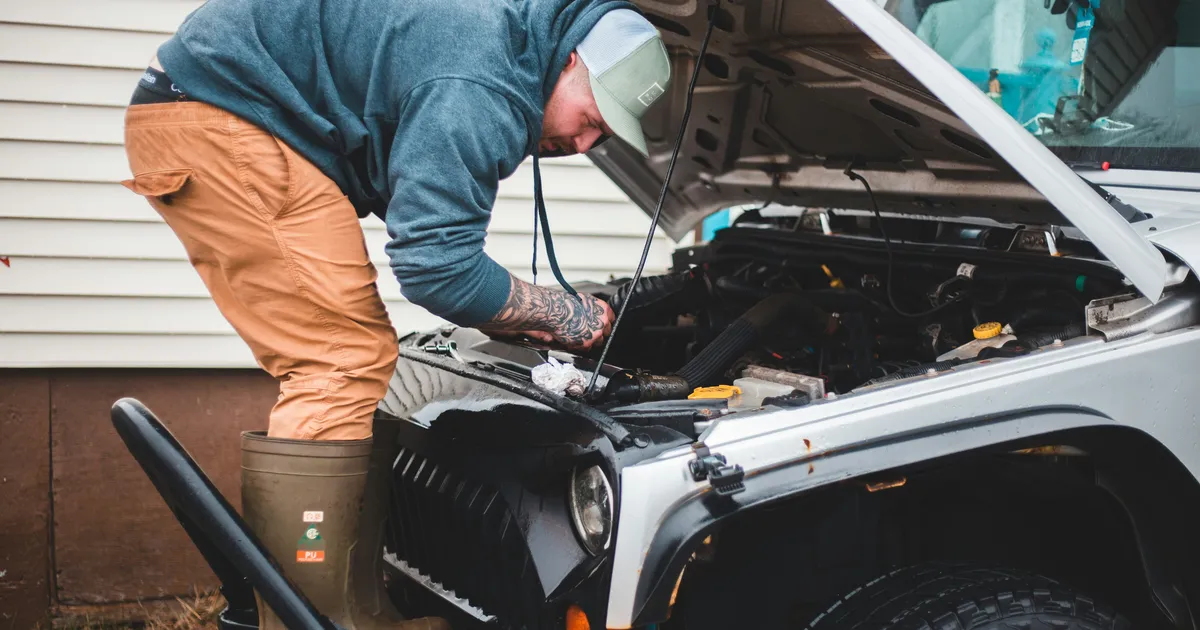
I remember the first time my car decided to throw a fit on the side of the road. It was a dark, rainy night, and the engine suddenly sputtered, then died. Panic set in, quickly followed by a feeling of utter helplessness. I wished I had even a basic understanding of common vehicle issues and quick fixes for beginners guide. That experience taught me a valuable lesson: knowing a few fundamental troubleshooting steps can transform a stressful breakdown into a manageable inconvenience, or even prevent it entirely. You don’t need to be a certified mechanic, but a little knowledge goes a very long way in keeping you safe and your wheels turning smoothly.
Understanding Flat Tires and Low Pressure
Few things are as frustrating as walking out to your car only to find a flat tire. However, many tire issues, especially low pressure, can be prevented with regular checks. Modern vehicles, particularly models from 2026 onwards, often feature Tire Pressure Monitoring Systems (TPMS) that alert you, but a visual inspection and using a simple tire gauge once a month is still your best defense. Maintaining proper tire pressure not only extends the life of your tires but also significantly impacts fuel efficiency and driving safety, preventing uneven wear and potential blowouts.
If you encounter a flat, the quickest fix is often using your spare tire. Familiarize yourself with your car’s jack, lug wrench, and spare tire location before you need them. Practice changing a tire in your driveway; it builds confidence and speed. For minor punctures, a tire repair kit with sealant can offer a temporary solution to get you to a service station, though it’s crucial to understand that these are not permanent fixes. Always have a professional inspect any repaired tire to ensure it’s safe for continued use.
Dealing with a Dead Battery
A dead car battery is an incredibly common issue, often striking at the most inconvenient times. The tell-tale signs are usually a slow crank, clicking noises when you try to start the engine, or no response at all from the electrical system. Batteries can die due to age, leaving lights on, or extreme weather conditions. While you can’t prevent every battery failure, keeping your battery terminals clean and ensuring your battery is securely mounted can extend its lifespan considerably.
The go-to quick fix for a dead battery is a jump-start. You’ll need jumper cables and another running vehicle. It’s vital to connect the cables in the correct sequence (positive to positive, negative to a ground point on the dead car, not directly to the negative terminal) to avoid sparks or damage to electrical systems. Keep a set of quality jumper cables in your trunk. Alternatively, portable jump starters are fantastic tools for beginners, offering a convenient, cable-free solution without needing a second car.
Cleaning Corroded Battery Terminals
Corrosion on battery terminals, often appearing as a white or bluish powdery substance, can significantly impede the flow of electricity, leading to starting problems even if your battery isn’t completely dead. This buildup is usually caused by hydrogen gas escaping from the battery and reacting with the metal terminals. Ignoring it can shorten battery life and lead to unreliable starts, especially in cold weather.
Cleaning battery terminals is a simple but important maintenance task. First, ensure your car is off and wear protective gloves and eyewear. Disconnect the negative cable first, then the positive. You can use a wire brush or a specialized battery terminal cleaning tool along with a mixture of baking soda and water to scrub away the corrosion. Rinse with clean water and dry thoroughly before reconnecting the positive cable, then the negative. This simple procedure can often resolve intermittent starting issues and improve your battery’s overall performance. For more detailed instructions, a reliable source like AAA’s guide on battery maintenance is an excellent resource.
Overheating Engine: What to Do
An overheating engine is a serious problem that demands immediate attention to prevent severe damage. The primary signs include the temperature gauge climbing into the red, steam emanating from under the hood, or a distinct burning smell. Overheating can be caused by low coolant levels, a faulty thermostat, a leaky radiator, or a malfunctioning water pump. It’s crucial not to ignore these warnings; continued driving with an overheated engine can warp the cylinder head or blow the head gasket, leading to very costly repairs.
If your engine starts to overheat, the first quick fix is to pull over safely and turn off the engine immediately. Do not open the radiator cap while the engine is hot, as pressurized hot coolant can cause severe burns. Allow the engine to cool down completely, which can take 30 minutes or more. Once cool, you can check the coolant reservoir and add a 50/50 mix of coolant and distilled water if the level is low. This might get you to a service station, but an overheating issue always warrants a professional inspection to diagnose the root cause and prevent future occurrences.
Decoding Warning Lights
Modern vehicles are equipped with an array of warning lights on the dashboard, each designed to alert you to a specific issue. While some, like the low fuel light, are straightforward, others, such as the infamous “Check Engine” light, can be more ambiguous. Ignorance of these lights can lead to exacerbated problems or even dangerous driving conditions. It’s important to understand that these lights aren’t just suggestions; they are direct communications from your car’s onboard diagnostic system, often referred to as OBD-II in vehicles produced since the mid-90s.
For beginners, the most important quick fix for any warning light (other than low fuel) is to consult your owner’s manual. It provides a detailed explanation of what each light signifies and what action to take. For the “Check Engine” light, a common quick fix is to ensure your gas cap is tightly sealed, as a loose cap can trigger this warning. If the light persists or is flashing, it indicates a more serious issue requiring immediate attention. Many auto parts stores offer free diagnostic scans for the Check Engine light, which can help pinpoint the exact problem code. Understanding these signals is a cornerstone of proactive vehicle care in 2026 and beyond.
Key Takeaways
- Proactive Checks Save Money and Stress: Regularly checking tire pressure, fluid levels, and battery terminals can prevent common breakdowns. A few minutes of maintenance can save hours of roadside frustration and potentially expensive repair bills.
- Your Owner’s Manual is Your Best Friend: This often-overlooked guide contains specific information about your vehicle’s warning lights, maintenance schedules, and emergency procedures. Keep it handy and consult it first for any unfamiliar issue.
- Safety First During Roadside Emergencies: If your car breaks down, prioritize your safety. Pull over to a safe location, turn on your hazard lights, and if necessary, use reflective triangles or flares. Never attempt a repair if you’re not confident or if the situation is unsafe.
- Basic Tool Kit is Essential: A small emergency kit including jumper cables, a tire pressure gauge, a basic wrench set, a flashlight, and perhaps a portable jump starter can be invaluable. Even if you can’t fix the issue, these tools can assist roadside assistance.
Frequently Asked Questions
How often should I check my car’s fluid levels?
It’s a good practice to check essential fluid levels—engine oil, coolant, brake fluid, and power steering fluid—at least once a month, or every time you fill up your gas tank. This routine helps you catch leaks or low levels before they become major problems, ensuring your vehicle operates efficiently and safely.
Is it safe to drive with the Check Engine light on?
It depends on the specific issue. If the Check Engine light is solid, it often indicates a minor issue, but it should still be investigated soon. If the light is flashing, it usually signifies a severe problem, such as an engine misfire, that could cause catalytic converter damage. In this case, it’s best to pull over safely and have the vehicle towed to a mechanic.
What’s the most important tool for a beginner to have in their car?
For a beginner, a reliable set of jumper cables is arguably the most important tool. Dead batteries are common, and knowing how to jump-start your car (or help someone else) is a fundamental skill that provides immediate relief in a common roadside emergency. A tire pressure gauge also ranks highly for routine maintenance.
How can I tell if a mechanic is trustworthy?
Look for mechanics with certifications (like ASE), positive online reviews, and clear communication about repairs and costs. A trustworthy mechanic will explain the problem in plain language, provide a written estimate before work begins, and show you the faulty parts if requested. Don’t be afraid to get a second opinion for major repairs.
Conclusion
Empowering yourself with knowledge about common vehicle issues and quick fixes for beginners guide isn’t just about saving money on repairs; it’s about gaining confidence, enhancing safety, and reducing stress on the road. Remember, every expert was once a beginner. By understanding the basics, you’re not just fixing a car; you’re building resilience and a deeper connection with your vehicle. Take these initial steps, continue to learn, and you’ll find that navigating the occasional hiccup of car ownership becomes far less daunting. Stay curious, stay safe, and enjoy the journey!