

I still remember the sheer frustration of trying to fix a leaky faucet with a pair of rusty pliers and a butter knife. It was a disaster, a comedy of errors that ultimately cost me more in plumber fees than a decent starter tool kit ever would have. That painful experience taught me a valuable lesson: having the right tools isn’t just about convenience; it’s about empowerment, saving money, and the immense satisfaction of tackling projects yourself. If you’re standing in an empty garage, brimming with DIY ambitions but unsure where to begin, fear not. This deeply researched guide will walk you through the must-have garage tools and equipment list for beginners, complete with realistic pricing in dollars, ensuring you build a solid foundation for your workshop by 2026 and beyond.
Essential Hand Tools for Every Task
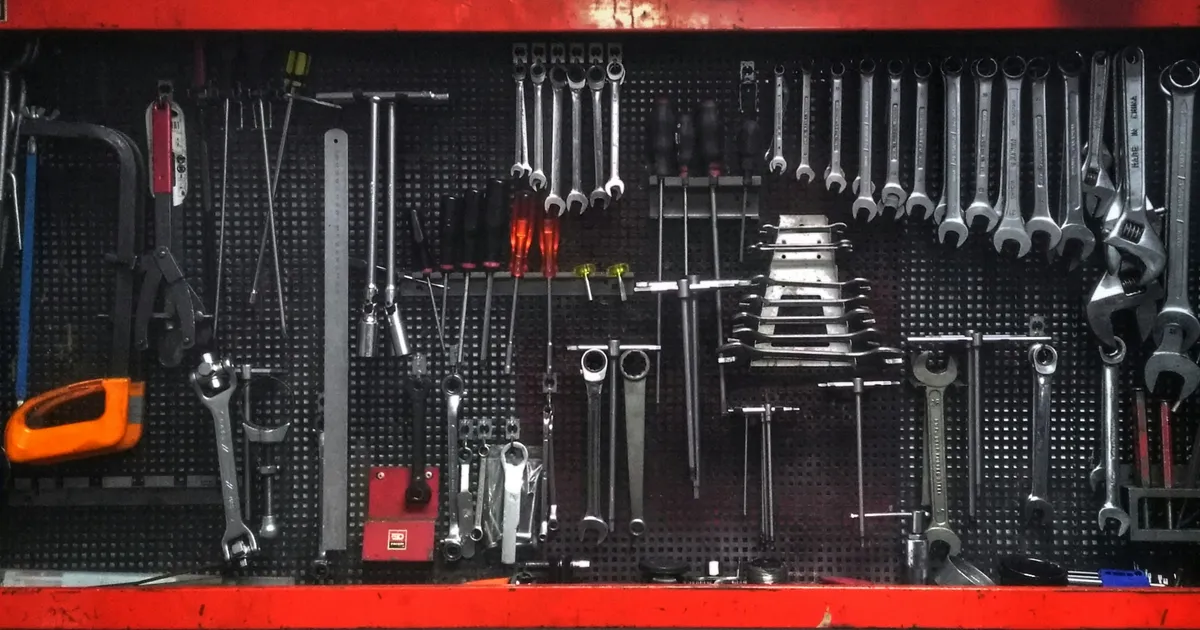
Starting with a robust set of hand tools is non-negotiable for any beginner. These are the workhorses that form the backbone of your toolkit, tackling everything from assembling flat-pack furniture to minor car repairs. A good quality mechanic’s tool set, typically including a variety of wrenches (combination, adjustable), sockets, screwdrivers (Phillips and flathead in multiple sizes), pliers (slip-joint, needle-nose, locking), and a trusty hammer, is an excellent initial investment. Expect to spend anywhere from $100 to $250 for a reputable brand’s starter kit. Don’t skimp on quality here; cheap tools often break, strip fasteners, and cause more headaches than they solve.
Beyond the comprehensive sets, consider individual hand tools that offer versatility. A reliable utility knife (around $10-$20) for opening boxes and cutting materials, a sturdy set of Allen wrenches (hex keys) for assembling furniture or bike maintenance ($15-$30), and a pair of vice grips for clamping or holding objects firmly ($20-$40) are incredibly useful additions. These foundational hand tools will allow you to confidently approach a vast array of common household and garage projects, making them indispensable for anyone just starting their DIY journey.
Power Tools That Boost Efficiency
While hand tools are fundamental, power tools dramatically increase your efficiency and capability, especially when dealing with repetitive tasks or tougher materials. The absolute first power tool a beginner should acquire is a cordless drill/driver. This versatile machine handles drilling holes, driving screws, and even light sanding with the right attachments. Look for a 12V or 18V lithium-ion model from a recognized brand; a good entry-level kit with two batteries and a charger will typically cost between $100 and $200. This will be your most frequently used power tool, hands down.
Once you’ve mastered your drill/driver, consider adding an impact driver to your arsenal. While it looks similar to a drill, an impact driver excels at driving long screws and bolts with significantly less effort and wrist strain, thanks to its rotational and concussive force. Many brands offer a drill/impact driver combo kit for around $150 to $300, which often provides excellent value. For those venturing into woodworking or larger home improvement projects, a basic circular saw ($80-$150) is another game-changer for making straight cuts in sheet goods or lumber, greatly expanding your project possibilities.
Prioritizing Safety and Protection
No discussion about tools is complete without emphasizing safety. This isn’t just a recommendation; it’s a critical aspect of responsible tool ownership that protects you from preventable injuries. Investing in proper personal protective equipment (PPE) should be a beginner’s very first purchase, even before the tools themselves. Essential items include safety glasses or goggles ($10-$30 for a comfortable, anti-fog pair), hearing protection like earmuffs or earplugs ($15-$40), and work gloves ($10-$25) to protect your hands from cuts, splinters, and chemicals. Always wear the appropriate PPE for the task at hand.
Beyond personal gear, think about shop safety. A good quality fire extinguisher ($30-$60) rated for electrical and flammable liquids is a must-have, positioned in an easily accessible spot. First aid kits ($20-$50) are also crucial for treating minor cuts and scrapes that inevitably happen. Furthermore, ensure your workspace is well-lit and free of clutter to prevent trips and falls. Understanding basic electrical safety and knowing how to properly use each tool is paramount; never operate machinery when tired or distracted. Your safety is worth far more than any project deadline.
Accuracy with Measurement and Marking
Precision is key to successful DIY projects, and that starts with accurate measurement and marking tools. A reliable tape measure ($15-$30 for a 25-foot model with a sturdy blade and lock) is absolutely indispensable. Look for one with clear markings and a strong hook. Complement this with a good quality carpenter’s square or speed square ($15-$35) for drawing straight lines and checking angles, which is vital for cutting wood or metal accurately. Without proper measurement, even the most expensive tools will produce shoddy results.
For leveling surfaces or ensuring perfectly plumb lines, a spirit level ($20-$50 for a 24-inch or longer model) is essential. For more advanced accuracy, a laser level ($60-$150 for a basic cross-line model) can be a fantastic upgrade down the line, especially for hanging shelves or pictures across a room. Don’t forget simple marking tools like carpenter’s pencils ($5-$10 for a pack) or fine-tip markers ($5-$10) for clear, visible lines on various materials. These tools might seem simple, but their role in achieving professional-looking results cannot be overstated.
Organizing Your Workspace and Tools
A well-organized garage is a safe, efficient, and enjoyable place to work. Clutter not only hinders productivity but also poses a significant safety hazard. Your first step should be a sturdy workbench ($100-$300 for a basic model, more for heavy-duty options). This provides a dedicated space for projects, offering a stable surface for cutting, assembling, and repairing. Look for one with some built-in storage or the ability to add a vise, which is another incredibly useful tool for holding workpieces securely ($40-$100).
Smart Storage Solutions
Once you have a workbench, consider how you’ll store your tools. A rolling tool chest or cabinet ($150-$400) is an excellent long-term investment, keeping your hand tools organized, protected, and easily accessible. For frequently used items and smaller bits, magnetic tool strips ($15-$30) and pegboards ($30-$80 for a panel and hooks) are incredibly effective, keeping them within arm’s reach while freeing up drawer space. Clear plastic storage bins ($20-$50 for a set) are perfect for fasteners, electrical components, or small parts, allowing you to see their contents at a glance. Investing in good organization from the start will save you countless hours searching for misplaced items and make your garage a truly functional space for all your projects in 2026 and beyond.
Key Takeaways
- Prioritize Quality Over Quantity: While it’s tempting to buy the cheapest tools, investing in reputable brands for your core set will pay dividends in durability, performance, and safety. A few good tools are always better than a garage full of flimsy ones.
- Start with Hand Tools, Then Add Power: Build your foundation with essential hand tools like wrenches, screwdrivers, and pliers. Once comfortable, introduce a versatile cordless drill/driver to significantly boost your efficiency for common tasks.
- Safety is Non-Negotiable: Always acquire and use personal protective equipment (PPE) such as safety glasses, hearing protection, and gloves. A fire extinguisher and first aid kit are also critical for any home workshop.
- Organization Enhances Productivity and Safety: A dedicated workbench, tool chest, and smart storage solutions like pegboards or clear bins will keep your garage tidy, your tools accessible, and your workspace safe, making DIY projects much more enjoyable.
Frequently Asked Questions
What’s the absolute first tool a beginner should buy?
Without a doubt, a good quality cordless drill/driver. It’s incredibly versatile for drilling, driving screws, and can even tackle light sanding or mixing paint with the right attachments. Its utility across a vast range of projects makes it an indispensable starting point for any beginner.
How much should a beginner expect to spend on a basic tool setup?
For a solid, reliable beginner’s tool and equipment list, you should budget anywhere from $500 to $1,000. This range allows for quality hand tools, a good cordless drill/driver kit, essential safety gear, and basic organization, setting you up for success without immediate upgrades.
Are expensive tools always better for beginners?
Not necessarily. While quality is important, a beginner doesn’t always need top-tier professional-grade tools. Mid-range tools from reputable brands often offer an excellent balance of performance, durability, and value. Focus on getting tools that are well-reviewed and comfortable to use, rather than just the most expensive options.
Should I buy individual tools or a complete kit?
For beginners, a well-curated kit (like a mechanic’s tool set or a drill/impact driver combo) often provides better value and ensures you have a comprehensive range of sizes. However, for specialized tools or when upgrading, buying individual items allows you to select exactly what you need without redundant pieces.
Conclusion
Embarking on your DIY journey and equipping your garage is an exciting process, and with this must-have garage tools and equipment list for beginners, you’re well-prepared. Remember, building a functional workshop isn’t about buying every tool at once; it’s about acquiring quality, versatile items that meet your immediate needs and expand your capabilities over time. By prioritizing safety, smart organization, and making informed purchases, you’ll transform your garage into a productive hub for all your projects, saving money and gaining invaluable skills for years to come. Happy building!