

There’s a distinct, almost melancholic, sound a neglected bicycle makes: a symphony of squeaks, grinds, and hesitant shifts that tells a story of ignored pleas for attention. I remember years ago, embarking on a charity ride with a drivetrain that sounded like a bag of angry spanners, purely because I’d skipped a crucial clean. It was a miserable 50 miles. That day taught me a profound lesson: a diligent bike cleaning and lubrication guide isn’t just about aesthetics; it’s the bedrock of performance, reliability, and ultimately, enjoyment. Neglecting your bike’s upkeep isn’t just a minor oversight; it’s actively shortening its lifespan and making every pedal stroke harder than it needs to be. A well-maintained bicycle, by contrast, hums with efficiency, gliding effortlessly and responding precisely to your every command, transforming every ride into a joyous experience.
Why Regular Bike Maintenance Isn’t Optional
Many riders view bike cleaning as a chore, something to be put off until the last possible moment. However, I’ve found that embracing a consistent maintenance routine fundamentally transforms the riding experience. A clean, well-lubricated bike shifts with buttery smoothness, brakes predictably, and simply feels more responsive under you. This isn’t merely about comfort; it’s about safety. Worn components, stiff chains, and gritty drivetrains can lead to unexpected failures, especially when you’re pushing limits or navigating challenging terrain. Investing a little time in upkeep now prevents significant headaches, and potentially dangerous situations, down the road.
Beyond immediate performance and safety, regular maintenance is a crucial investment in your bike’s longevity. Grime acts as an abrasive, grinding away at expensive components like your chain, cassette, and chainrings. Consistent lubrication protects these parts from premature wear and corrosion, extending their functional life considerably. Think of it as preventative medicine for your bicycle. Over time, you’ll spend less on replacement parts and more time enjoying smooth, trouble-free rides. Furthermore, it’s far more sustainable to maintain your current equipment than to constantly replace it, aligning with a more eco-conscious approach to cycling in 2026.
Gathering Your Arsenal: Essential Cleaning Supplies
Before you even think about hosing down your prized possession, gather the right tools. You’ll need a good quality degreaser specifically designed for bikes – household cleaners can be too harsh or leave residues. A set of brushes, including a stiff drivetrain brush, a softer frame brush, and a detail brush for tight spots, is invaluable. Don’t forget bike-specific soap, a few clean microfiber cloths, and a sturdy bucket. Having everything within reach before you start saves time and prevents frustration, ensuring a more efficient and thorough cleaning process. I personally advocate for biodegradable cleaning products whenever possible, making your routine kinder to the environment.
When it comes to degreaser, less is often more, and strategic application is key. Focus the degreaser primarily on your chain, cassette, and chainrings, allowing it a few minutes to penetrate the grime without letting it dry. Avoid spraying degreaser directly into sealed bearings (like those in your hubs or bottom bracket), as it can strip away vital grease and cause premature wear. A gentle spray with a garden hose, rather than a high-pressure washer, is always recommended for rinsing. High pressure can force water and contaminants into those same sensitive bearing areas, causing more harm than good in the long run.
The Nuances of Chain Cleaning
The chain, being the heart of your drivetrain, demands particular attention. After applying degreaser, use a dedicated chain cleaning tool or a stiff brush to work the degreaser into every link, scrubbing off the accumulated grit and old lube. For a truly deep clean, I often remove the chain if it has a master link, allowing it to soak in a degreaser bath before a thorough rinse. This meticulous approach ensures that no abrasive particles remain embedded within the links, which would otherwise accelerate wear on your entire drivetrain. Remember, a clean chain is a quiet, efficient chain, making every pedal stroke count.
The Art of a Thorough Bike Wash
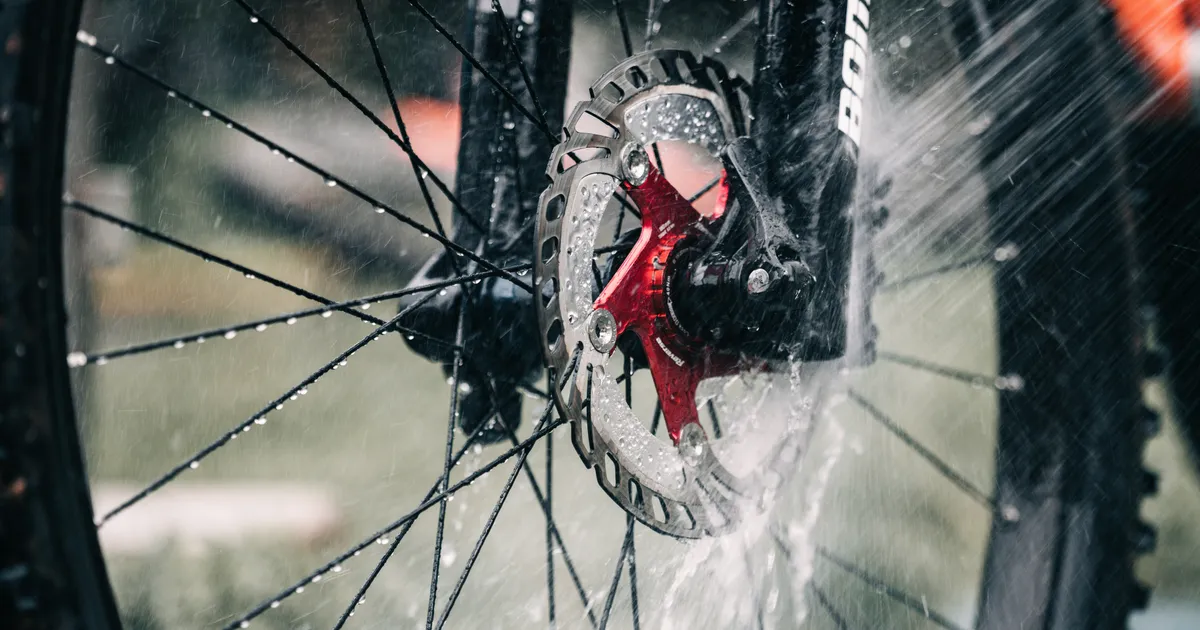
Once your drivetrain is gleaming, it’s time to tackle the rest of the bike. Start with a gentle pre-rinse using a low-pressure hose to loosen any surface dirt. Then, apply bike-specific soap to the frame, wheels, and other components using a soft sponge or brush. Work from top to bottom, paying attention to areas where dirt tends to accumulate, like under the saddle and around the brake calipers. This methodical approach ensures you don’t miss any spots and prevents re-depositing dirt onto already cleaned areas. I find this stage quite meditative, almost a ritual of care for my trusty steed.
Rinsing is just as crucial as washing. Again, use low pressure and ensure all soap residue is completely removed. Soap left on the frame can attract dirt or leave streaks. After rinsing, the drying process is paramount. Water left in crevices can lead to corrosion, especially on steel components. Use a clean microfiber cloth to meticulously dry the frame, wheels, and drivetrain. For hard-to-reach areas, a leaf blower or compressed air can be incredibly effective, but maintain a safe distance from bearings. A completely dry bike is ready for lubrication, preventing water from contaminating fresh lube.
Lubrication: The Elixir for Smooth Operation
Lubrication is where the magic happens, transforming a clean bike into a silently efficient machine. The choice of lubricant depends heavily on your riding conditions. Wet lubes are thicker, more durable, and excellent for rainy, muddy conditions, but they attract more dirt. Dry lubes, conversely, are lighter, attract less grime, and are ideal for dry, dusty environments. Ceramic lubes offer a high-performance, long-lasting option but typically come at a higher cost. Understanding these distinctions is key to selecting the right product for your typical routes and the current weather in 2026.
Applying lube correctly is a skill often underestimated. For your chain, apply a small drop to each roller while backpedaling, allowing it to penetrate the pins and rollers. Wipe off any excess immediately with a clean rag. Over-lubrication is a common mistake; it simply attracts more dirt and creates a grimy mess. Don’t forget other crucial pivot points: derailleur pulleys, brake lever pivots, and pedal cleats can all benefit from a tiny drop of appropriate lubricant. The goal is smooth, silent operation, not a greasy sheen. A well-lubricated chain should look almost dry on the outside, with all the goodness working internally.
Beyond the Basics: Advanced Tips for Longevity
While cleaning and lubing are fundamental, true bike longevity comes from a holistic approach. Regularly check the torque on critical bolts, especially those on your stem, handlebars, and seatpost. Maintain proper tire pressure, as incorrect inflation not only affects ride quality but also accelerates tire wear. Keep an eye on your brake pads; worn pads reduce stopping power and can damage your rims or rotors. For full-suspension bikes, periodically clean and inspect your suspension stanchions and seals, preventing dirt from entering the delicate internal mechanisms. These small checks can avert major issues and costly repairs.
Proper storage also plays a significant role in your bike’s health. Store your bike indoors, away from extreme temperatures and humidity, which can accelerate corrosion and degrade components. If you’re storing it for an extended period, consider hanging it to take pressure off the tires. Furthermore, don’t shy away from professional tune-ups; even the most diligent home mechanic can benefit from a skilled eye checking spoke tension, wheel trueness, and bearing play. A qualified mechanic can spot issues before they become serious, especially on complex electronic systems that are becoming standard on many bikes by 2026, ensuring peak performance year-round.
Key Takeaways
- Consistency is King: Regular cleaning and lubrication are not optional; they are fundamental for safe, smooth, and long-lasting bike performance, preventing premature wear and costly component replacements.
- Use the Right Tools: Invest in bike-specific degreasers, soaps, and brushes. Avoid harsh household chemicals or high-pressure washers, which can damage sensitive components and strip vital grease from bearings.
- Meticulous Drivetrain Care: The chain, cassette, and chainrings are the most critical areas for grime build-up. Focus thorough cleaning and precise lubrication here, wiping away excess lube to prevent dirt attraction.
- Holistic Approach to Longevity: Beyond cleaning, regularly inspect tire pressure, brake pads, bolt torques, and suspension seals. Proper storage and periodic professional tune-ups complement your home maintenance, ensuring your bike remains in top condition.
Frequently Asked Questions
How often should I clean and lubricate my bike?
The frequency largely depends on your riding conditions and mileage. For regular dry-weather commuting, a thorough clean and lube every 100-200 miles, or every 2-4 weeks, is a good baseline. If you ride in wet, muddy, or dusty conditions, you should clean and lube your chain after almost every ride to prevent accelerated wear and maintain optimal performance. Always re-lube after washing your bike, regardless of mileage.
Can I use dish soap to clean my bike?
While dish soap can cut through grease, it’s generally not recommended for regular bike cleaning. Many dish soaps contain degreasing agents that can be too harsh for certain bike finishes, potentially stripping wax or clear coats over time. More critically, they often lack the lubricating properties of bike-specific soaps and can leave residues that attract dirt. It’s always best to use a pH-neutral, bike-specific cleaner designed to be gentle on all components.
What’s the difference between wet and dry lube?
Wet lube is typically thicker, more durable, and designed for wet, muddy, or extremely dusty conditions. It adheres well to the chain and offers excellent protection against water and grit, but it tends to attract more dirt. Dry lube is thinner, often wax-based, and dries to a clean finish, attracting less grime. It’s ideal for dry, clean conditions but needs to be applied more frequently, especially if you encounter any moisture.
How do I know if my chain needs replacing?
The most accurate way to tell if your chain needs replacing is by using a chain wear indicator tool. These inexpensive tools measure the “stretch” or elongation of your chain caused by wear. If the tool indicates significant stretch (usually 0.75% to 1.0% elongation), it’s time for a new chain. Riding with a stretched chain will rapidly wear out your more expensive cassette and chainrings, leading to even greater replacement costs down the line.
Conclusion
Embracing a consistent bike cleaning and lubrication guide isn’t just about preserving your investment; it’s about elevating your entire cycling experience. A well-cared-for bicycle responds with grace, efficiency, and reliability, allowing you to focus on the joy of the ride rather than the groan of a neglected drivetrain. By dedicating a little time to these essential tasks, you’re not just extending the life of your bike; you’re ensuring every journey, from a quick spin around the block to an epic adventure, is as smooth and satisfying as it can be in 2026 and beyond. Make maintenance a ritual, not a chore, and your bike will repay you tenfold.