

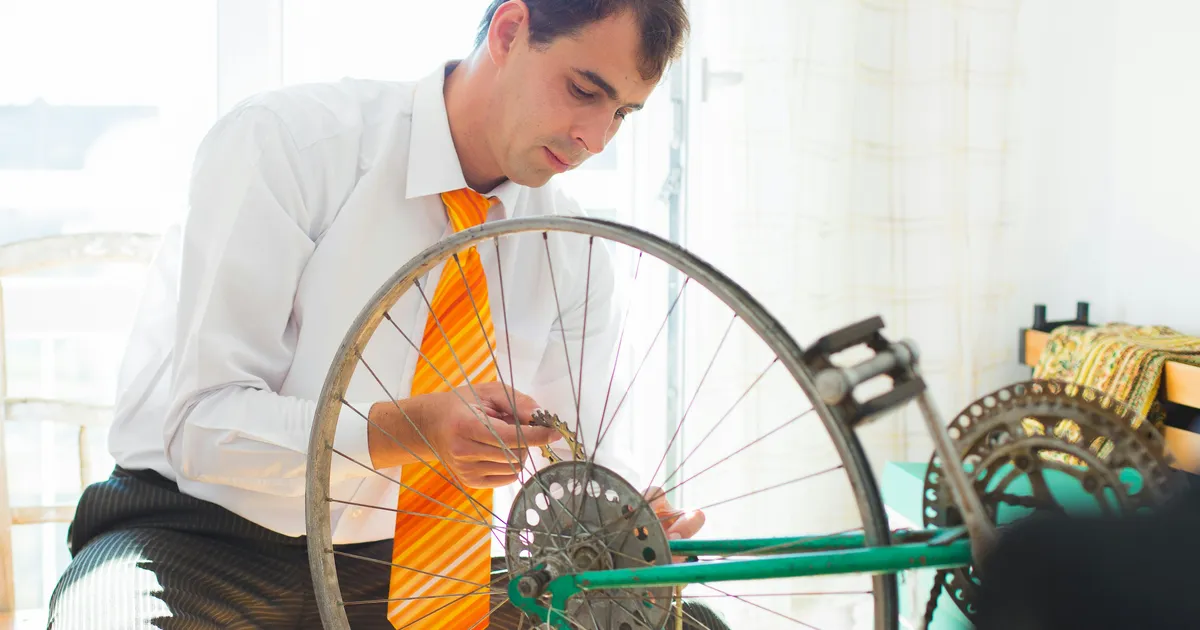
Imagine this: you’re miles from home, enjoying a perfect ride, when suddenly your bike starts making a sound that resembles a dying seagull, or worse, your gears refuse to cooperate. For many, this signals the end of the ride and an expensive trip to the bike shop. But what if I told you that most common bike problems and how to fix them easily without professional help is well within your grasp? From my own twenty-plus years of cycling, I’ve learned that a little know-how can save you a bundle and empower you to keep rolling. With just a few basic tools and a bit of patience, you can tackle the vast majority of issues that crop up, transforming potential frustrations into satisfying DIY victories.
Conquering the Dreaded Flat Tire
A flat tire is arguably the most common and frustrating issue a cyclist faces. It’s often seen as a ride-ender, but it doesn’t have to be. The key is understanding that most flats are caused by punctures from road debris, and fixing them is a straightforward process. You’ll need tire levers, a patch kit, and a pump. First, locate the puncture by inflating the tube slightly and listening for air, or by submerging it in water. Once found, rough up the area with sandpaper, apply glue, let it get tacky, then firmly press the patch. This simple skill is invaluable and will keep you from being stranded.
Replacing an entire inner tube is another excellent skill to master, especially if the puncture is large or multiple. Start by deflating the tire completely, then use your tire levers to carefully pry one bead of the tire off the rim. Remove the old tube, inspect the inside of the tire for any remaining debris that caused the flat, and then insert the new, slightly inflated tube. Make sure the valve stem is straight, then work the tire bead back onto the rim, being careful not to pinch the new tube. Finally, inflate to the recommended pressure, and you’re good to go.
Silencing Squeaky Brakes
Squeaky brakes are not just annoying; they can also be a sign of reduced braking performance. Often, the culprit is simply dirt, grime, or oil contamination on the brake pads or wheel rims. Before you panic, try cleaning. Use a clean cloth dampened with rubbing alcohol to wipe down your rim brake surfaces or disc rotors. For disc brakes, ensure you use a dedicated disc brake cleaner, as other solvents can leave residue. This quick clean can dramatically improve braking feel and eliminate those embarrassing noises, making your ride smoother and safer.
If cleaning doesn’t resolve the squeak, your brake pads might be worn or misaligned. For rim brakes, check the pads for wear indicators. If they’re worn down, replace them. If they’re merely misaligned, loosen the retaining bolt, reposition the pad so it makes full contact with the rim without touching the tire, and tighten it securely. For disc brakes, ensure the caliper is centered over the rotor; sometimes, loosening the caliper bolts, squeezing the brake lever, and re-tightening can align it perfectly. Minor adjustments can make a world of difference in your bike’s stopping power.
Tackling Temperamental Gears
Gear problems can transform a joyful ride into a frustrating grind. Skips, delays, or outright refusals to shift are often due to cable tension or derailleur alignment. The barrel adjusters on your shifters or derailleurs are your best friends here. A quarter-turn adjustment can often fix a chain that’s hesitating to shift up or down. For instance, if your chain struggles to shift to a larger cog (easier gear), it usually means the cable tension is too low, and a few turns counter-clockwise on the barrel adjuster will tighten it. This is a skill every cyclist should learn for on-the-fly adjustments.
Checking Your Chain for Wear
A worn chain is a silent killer of drivetrain performance, leading to poor shifting and accelerated wear on your more expensive cassette and chainrings. You can check for chain wear with a simple chain checker tool, which costs less than a new chain. Insert the tool; if it drops in completely, your chain is stretched beyond its usable life and needs replacing. This quick check, ideally done every few months or after significant mileage, will prevent more costly repairs down the line. A new chain in 2026 is still one of the most cost-effective upgrades you can make to your bike’s performance.
Resolving Wobbly Wheels
A wobbly wheel can be unsettling and even unsafe. Often, the issue isn’t a bent rim but rather loose spokes. You can perform a basic check by spinning the wheel and observing its path relative to your brake pads or fork legs. If you notice a side-to-side wobble, it’s likely a few spokes have lost tension. Gently squeeze pairs of spokes together; if some feel significantly looser than others, they’re the culprits. While professional wheel truing is an art, you can often mitigate minor wobbles by carefully tightening loose spokes with a spoke wrench. Turn the nipple clockwise to tighten, making small, incremental adjustments.
It’s crucial to make very small adjustments when tightening spokes, perhaps a quarter-turn at a time, and then re-checking the wheel’s true. Over-tightening one spoke can pull the rim out of alignment elsewhere, creating a new wobble. This requires patience and a gentle touch. For more severe wobbles, or if you’re unsure, a professional truing is advisable. However, for a slightly out-of-true wheel, understanding how spoke tension affects the rim can save you a trip to the shop and keep your wheels spinning smoothly and safely on your rides.
Dealing with a Noisy Drivetrain
A noisy drivetrain—creaks, squeaks, and groans—is a common complaint that usually points to a lack of lubrication or cleanliness. Your chain is the primary suspect. A dry or dirty chain creates friction and noise, and also wears out components faster. Regular cleaning and lubrication are essential. Use a degreaser to thoroughly clean your chain, removing all the grit and grime. Rinse it well, let it dry, then apply a quality bicycle-specific lubricant, ensuring it penetrates each link. Wipe off any excess after a few minutes to prevent new dirt from sticking. This simple routine can transform your noisy ride into a silent glide.
Beyond the chain, other parts of the drivetrain can contribute to noise. The bottom bracket, pedals, and even seat post can creak under pressure. For pedals, ensure they are securely tightened to the crank arms. If the noise persists, consider removing, cleaning, and regreasing the threads. For bottom brackets, unless you have specialized tools, this is often a job best left to a professional, but ensuring your crank bolts are tight can sometimes resolve creaks. Regularly checking the tightness of all bolts on your bike, especially those on the drivetrain, can preempt many annoying noises.
Key Takeaways
- Empower Yourself with Basic Repairs: Learning simple fixes like patching a flat tire or adjusting brake pads not only saves money but also builds confidence and ensures you’re never truly stranded. These skills are fundamental for any cyclist.
- Regular Maintenance is Preventative: Many common bike problems can be avoided with a consistent schedule of cleaning, lubrication, and inspection. A clean, well-lubricated chain and properly inflated tires are your first line of defense against issues.
- Invest in Essential Tools: A basic toolkit including tire levers, a patch kit, a pump, Allen wrenches, a spoke wrench, and chain lube will cover most common problems. These are small investments that yield huge returns in self-sufficiency.
- Listen to Your Bike: Pay attention to new sounds, changes in shifting, or unusual feelings. Your bike often gives subtle clues before a minor issue becomes a major problem. Addressing these early can prevent more complex and costly repairs down the line, keeping you on the road and enjoying your rides well into 2026.
Frequently Asked Questions
How often should I lubricate my bike chain?
The frequency of chain lubrication depends heavily on your riding conditions. For everyday commuting in dry weather, every 100-150 miles is a good guideline. If you ride in wet or dusty conditions, or off-road, you might need to lubricate your chain every 50 miles or even after every wet ride. Always clean your chain thoroughly before re-lubricating to prevent grinding dirt into the drivetrain.
Can I fix a bent wheel at home?
Minor wobbles caused by uneven spoke tension can often be adjusted at home with a spoke wrench and patience. However, a severely bent or “taco-ed” wheel, where the rim itself is physically deformed, usually requires professional attention or replacement. Attempting to fix a major bend at home without proper tools and expertise can weaken the wheel and make it unsafe. You can learn more about basic wheel truing on reputable cycling maintenance sites like Sheldon Brown’s website, but always know your limits.
What’s causing my gears to skip or jump?
Gear skipping or jumping is most commonly caused by incorrect derailleur cable tension. This can be adjusted using the barrel adjusters on your shifters or derailleurs. Other causes include a worn-out chain, bent derailleur hanger, or a dirty/stiff chain. Start by checking chain wear and then adjust cable tension. If the problem persists, inspect your derailleur hanger for alignment or consider a visit to a bike shop.
Is it really okay to use household cleaners on my bike?
While some general household cleaners might seem effective, it’s generally best to use bicycle-specific cleaning products. Many household detergents can strip away crucial grease from bearings, damage paint finishes, or leave residues that attract more dirt. For disc brakes, using anything other than dedicated disc brake cleaner can contaminate pads and rotors, severely compromising braking performance. Water and a mild dish soap are fine for general frame cleaning, but for drivetrain components, stick to bike-specific degreasers and lubricants.
Conclusion
Taking charge of your bike’s basic maintenance is incredibly rewarding. It demystifies the mechanics, saves you money, and ensures you’re never truly at the mercy of a mechanical hiccup. By learning to tackle common bike problems, you’re not just fixing a machine; you’re building a deeper connection with your ride and gaining invaluable self-sufficiency. So next time your bike throws a curveball, don’t despair. Embrace the challenge, grab your tools, and enjoy the satisfaction of getting back on the road under your own power, ready for whatever adventures 2026 holds.