

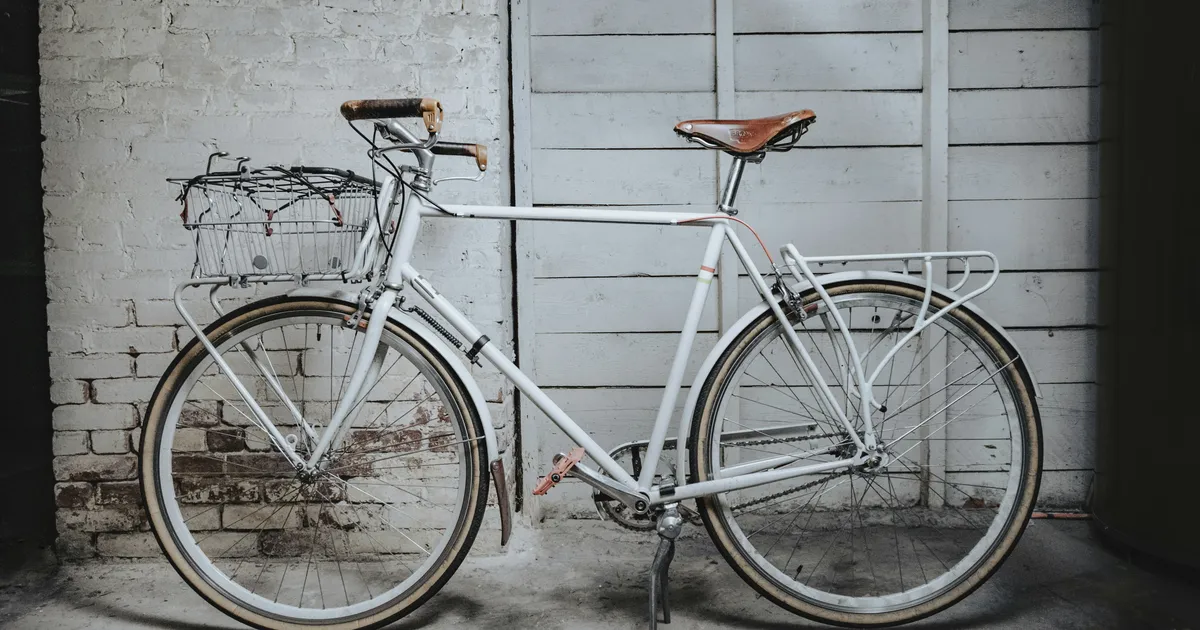
There’s a unique satisfaction that comes from riding a bike you’ve personally cared for, a feeling I discovered years ago after a disastrous, expensive bike shop visit for a simple squeak. That experience taught me that many common bike issues are surprisingly easy to fix at home, often with tools you already own. Learning how to service your bike at home step by step with simple tools not only saves money but also deepens your understanding of your machine, transforming you from a mere rider into a confident mechanic. This guide will empower you to keep your bicycle running smoothly, ensuring reliable performance and extending its lifespan well into 2026 and beyond.
Getting Started: The Right Tools and Workspace
Before diving into the mechanics, setting up an efficient workspace is paramount. A clean, well-lit area, preferably with concrete flooring for easy cleanup, makes a huge difference. You don’t need a professional workshop; a corner of your garage or even a patio will suffice. Essential tools include a set of Allen wrenches, a chain measuring tool (optional but highly recommended), a chain whip and cassette tool if you plan deeper drivetrain work, screwdrivers, a sturdy bike stand, and plenty of rags. Having these items organized and within reach prevents frustration and ensures a smoother, more enjoyable maintenance session.
A good bike stand is arguably the most valuable investment for home mechanics, elevating your bike to a comfortable working height and allowing wheels to spin freely. While not strictly a “simple tool,” its utility cannot be overstated for tasks like gear adjustments or wheel truing. Safety is also key; always wear appropriate eye protection when cleaning components or working with chemicals. Preparing your workspace by laying down a drop cloth can protect surfaces from grease and grime, making post-service cleanup significantly easier. Remember, patience and a systematic approach are your best allies.
Drivetrain Deep Clean and Lubrication
A clean drivetrain is the heart of a smooth-running bicycle. Over time, grit and grime accumulate on your chain, cassette, and chainrings, leading to accelerated wear and inefficient pedaling. Begin by thoroughly degreasing your chain using a dedicated chain cleaner or a strong degreaser applied with a brush. For a truly deep clean, remove your chain and soak it, but for regular maintenance, an on-bike cleaner works wonders. Scrub the cassette cogs and chainrings with a stiff brush and degreaser, ensuring every tooth is free of gunk. Rinse thoroughly with water, then dry completely before proceeding.
Once the drivetrain is sparkling clean and dry, it’s time for lubrication. This is a critical step often overlooked or done incorrectly. Apply a drop of chain lubricant to the top of each roller as you slowly pedal backward, ensuring the lube penetrates the inner workings of the chain. Allow the lubricant a few minutes to seep in, then, and this is crucial, wipe off all excess lube with a clean rag. Too much lubricant attracts dirt, turning your chain into a grinding paste. A properly lubricated chain reduces friction, prolongs component life, and provides a much quieter, more efficient ride.
Choosing the Right Lube for Your Ride
Selecting the appropriate chain lubricant depends heavily on your riding conditions. Wet lubes are thicker, more tenacious, and designed for rainy or muddy environments, offering excellent water resistance but tending to attract more dirt. Dry lubes, conversely, are thinner and ideal for dusty, dry conditions, as they shed dirt more effectively after drying. Wax-based lubricants provide a very clean drivetrain experience, but often require more frequent application and a very clean chain initially. Experiment with different types to find what works best for your local climate and riding style; a good resource for understanding the nuances is the comprehensive guide on Park Tool’s website.
Brake Check: Safety First
Your brakes are your primary safety feature, so regular inspection is non-negotiable. Start by checking your brake pads for wear. Rim brake pads have wear lines, and disc brake pads should have at least 1mm of pad material remaining above the backing plate. Ensure the pads are aligned correctly with the rim or rotor, making full contact without rubbing the tire or spokes. Inspect brake cables for any signs of fraying or rust, especially near the levers and calipers; a compromised cable can lead to sudden brake failure.
Adjusting brake tension is straightforward. For rim brakes, loosen the cable anchor bolt, squeeze the pads against the rim to remove slack, and then retighten. For disc brakes, it’s typically about adjusting the barrel adjuster near the lever or caliper to achieve the desired lever feel. The brake lever should engage firmly about halfway through its travel, providing strong stopping power without feeling spongy. If you notice any persistent squealing or grinding after cleaning, your pads might be contaminated or worn out, warranting replacement. This routine check ensures you can confidently stop in any situation.
Gear Shifting: Smooth Transitions
Crisp, reliable gear changes enhance every ride. Start by checking your derailleur cables for fraying or excessive tension. With the chain on the smallest cog at the rear and smallest chainring at the front, ensure the cable is snug but not overtight. If shifts are sluggish, a slight turn of the barrel adjuster (clockwise to loosen, counter-clockwise to tighten) can often fine-tune cable tension. For an in-depth understanding of derailleur adjustment, veteran mechanic Sheldon Brown’s website provides invaluable insights and diagrams.
Next, adjust your limit screws. These tiny screws, usually marked ‘H’ (high) and ‘L’ (low), prevent the chain from shifting off the cassette or chainrings. The ‘H’ screw on the rear derailleur sets the outermost position, preventing the chain from falling into the spokes. The ‘L’ screw controls the innermost position, stopping the chain from dropping between the cassette and the wheel hub. Misadjusted limit screws can cause catastrophic chain jams or even damage to your derailleur. Adjust them carefully, ensuring the chain moves freely within its intended range, achieving smooth, precise shifts across all gears for your adventures in 2026.
Wheels, Tires, and Bearings Inspection
The condition of your wheels and tires significantly impacts ride quality and safety. Begin by checking your tire pressure regularly, ideally before every ride, and inflate to the manufacturer’s recommended PSI. Inspect the tire sidewalls and tread for any cuts, cracks, or embedded debris that could lead to a puncture. Look for any signs of uneven wear that might indicate a wheel alignment issue. While full wheel truing often requires specialized tools and expertise, you can check for minor wobbles by spinning the wheel and observing its path relative to your brake pads.
Finally, check your bearings for any play. Gently rock each wheel side-to-side while it’s mounted on the bike; any noticeable wobble in the hub indicates loose bearings that need tightening or servicing. Perform the same check for your bottom bracket by wiggling the crank arms, and for your headset by holding the front brake and rocking the bike back and forth. Addressing bearing play early prevents further damage and ensures a smooth, efficient drivetrain and steering. These checks are crucial for maintaining the longevity and performance of your bicycle.
Key Takeaways
- Regular Cleaning is Crucial: A clean drivetrain prevents premature wear, enhances shifting performance, and makes lubrication more effective, ultimately saving you money on replacement parts.
- Prioritize Safety Checks: Always inspect your brakes and tire pressure before riding; these simple checks can prevent accidents and ensure a reliable, enjoyable cycling experience.
- Invest in Basic Tools: While a full workshop isn’t necessary, a good set of Allen keys, a chain tool, and a bike stand will dramatically improve your ability to perform effective home maintenance.
- Patience and Learning: Don’t rush your service tasks. Take your time, consult reputable online resources like Bicycling Magazine’s guides, and view each maintenance session as an opportunity to deepen your understanding of your bike.
Frequently Asked Questions
How often should I service my bike at home?
For casual riders, a basic check-up (tires, brakes, chain lube) every month, with a more thorough clean and adjustment every 2-3 months, is generally sufficient. Avid cyclists or those riding in harsh conditions might need to perform these tasks weekly or bi-weekly to maintain optimal performance.
What if I don’t have a bike stand?
While a bike stand is incredibly helpful, you can perform many tasks without one. Flipping your bike upside down on its saddle and handlebars works for drivetrain cleaning and basic adjustments. Alternatively, you can hang it from a sturdy hook or simply lean it against a wall, though access might be limited.
When should I take my bike to a professional mechanic?
For tasks like wheel truing, complex internal hub gears, suspension servicing, hydraulic brake bleeds, or any issue beyond your comfort level, it’s always best to consult a professional. Knowing your limits is part of being a responsible bike owner.
Can I use household cleaners for my bike?
Some gentle household cleaners, like dish soap mixed with water, can be effective for frame cleaning. However, for your drivetrain, it’s best to use dedicated bike degreasers, as they are formulated to tackle bike-specific greases and oils without damaging components or finishes.
Conclusion
Taking the time to service your bike at home is a rewarding endeavor that empowers you with greater control over your riding experience. With a few simple tools, a bit of patience, and the step-by-step guidance provided, you can confidently tackle most routine maintenance tasks. This not only saves you money but also fosters a deeper connection with your bicycle, ensuring it remains a reliable, joy-inducing companion on countless adventures for many years to come.