

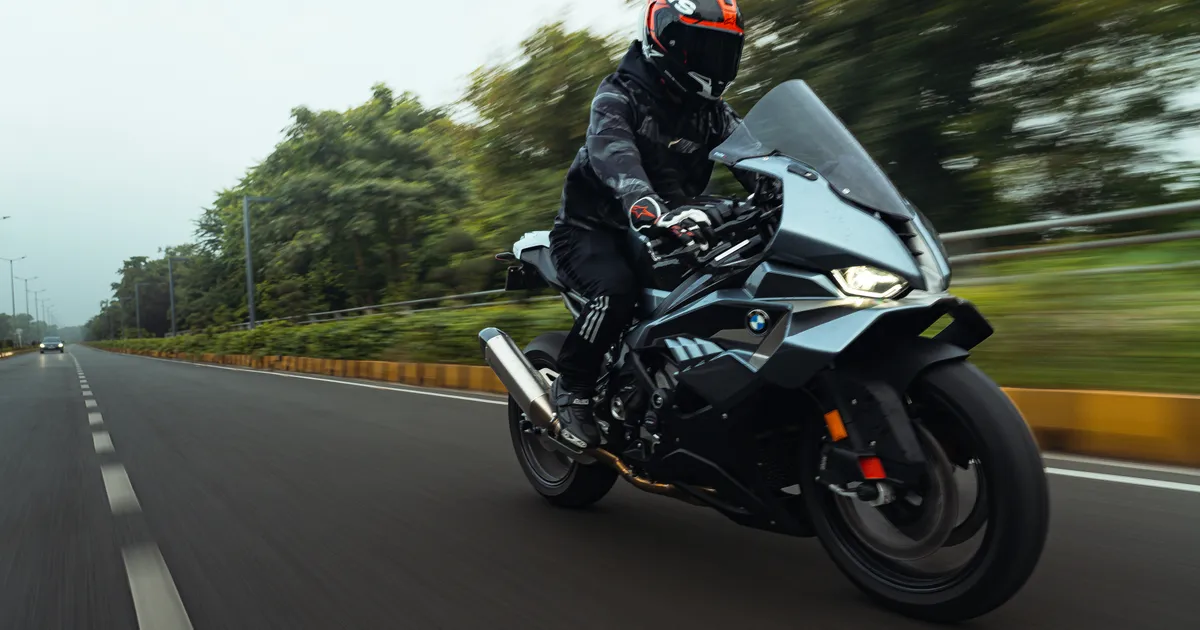
I remember a time, not so long ago, when my trusty steed felt more like a stubborn mule. It was sluggish, guzzling fuel like there was no tomorrow, and just didn’t have that responsive zip I loved. After years of riding, I learned a hard truth: ignoring basic maintenance isn’t just about reducing your bike’s lifespan; it actively sabotages its efficiency and performance, turning every ride into a compromise. If you’re looking to significantly improve bike mileage and performance, you’ll find that the secret isn’t in expensive aftermarket mods, but rather in a consistent, thoughtful maintenance regimen that respects the engineering marvel that is your motorcycle. Let’s delve into how you can reclaim that lost efficiency and joy.
The Heart of the Beast: Engine Health
The engine is, without a doubt, the core of your motorcycle’s performance and fuel economy. Regular oil changes are non-negotiable, acting as the lifeblood that lubricates, cools, and cleans vital components. Over time, engine oil breaks down, losing its viscosity and accumulating contaminants, which increases friction and forces your engine to work harder, directly impacting mileage. Using the manufacturer-recommended grade and changing it at prescribed intervals – often every 3,000-5,000 miles, but always check your owner’s manual – ensures your engine runs smoothly and efficiently, protecting your investment well into 2026 and beyond.
Beyond fresh oil, a clean air filter and healthy spark plugs are critical for optimal combustion. A clogged air filter restricts airflow, leading to an overly rich fuel-air mixture that wastes fuel and reduces power. Likewise, worn or fouled spark plugs can cause misfires, incomplete combustion, and a noticeable drop in both performance and fuel efficiency. It’s a simple fix, yet so many riders overlook these fundamental components. Regularly inspecting and replacing these parts not only restores lost power but also ensures every drop of fuel is burned as effectively as possible, directly contributing to superior mileage.
Fuel System Purity
A clean fuel system is paramount for consistent fuel delivery and optimal engine performance. Over time, fuel lines can accumulate deposits, and fuel injectors can become clogged, leading to an inconsistent spray pattern or even restricted flow. This directly impacts the air-fuel mixture, often causing the engine to run lean or rich, both of which are detrimental to fuel economy and can lead to engine damage. Using a quality fuel system cleaner periodically can help dissolve these deposits, ensuring your injectors atomize fuel effectively for complete combustion.
Optimizing the Drivetrain for Efficiency
The drivetrain is where your engine’s power meets the road, and any inefficiency here translates directly into wasted fuel and reduced performance. For chain-driven bikes, regular cleaning, lubrication, and tension adjustment are paramount. A dry, dirty, or improperly tensioned chain creates excessive friction and drag, forcing your engine to expend more energy to propel the bike forward. I’ve personally seen riders gain noticeable mileage by simply adhering to a weekly chain maintenance routine. It’s a small effort for a significant return.
Don’t forget to inspect your sprockets for wear. “Hooked” or pointed teeth indicate wear that will prematurely wear out your chain and create inefficient power transfer. Replacing worn sprockets along with the chain ensures a smooth, efficient transfer of power from the engine to the rear wheel. For belt-driven bikes, ensuring proper tension and inspecting for cracks or wear is equally important. A well-maintained drivetrain minimizes energy loss, allowing your engine to deliver its power to the ground with maximum efficiency, enhancing both acceleration and fuel economy.
Tires: The Unsung Heroes of Mileage
It sounds almost too simple, but tire pressure is arguably one of the most overlooked factors impacting bike mileage and handling. Underinflated tires increase rolling resistance, meaning your engine has to work harder to maintain speed. This not only burns more fuel but also generates excessive heat, leading to premature tire wear and compromised handling and safety. Always check your tire pressure before every ride, or at least weekly, using a reliable gauge, and adhere to the manufacturer’s recommended pressures found in your owner’s manual or on a sticker on your bike. For more detailed insights, you might find valuable information on tire care from Pirelli’s tire care guide.
Beyond pressure, the condition of your tires plays a significant role. Worn-out tires with shallow treads offer less grip and can cause your bike to feel less stable, leading to a less confident and often more aggressive riding style that wastes fuel. Additionally, uneven tire wear can indicate alignment issues or suspension problems, which, if left unaddressed, will further diminish both performance and mileage. Investing in quality tires and replacing them when they show signs of significant wear is an investment in both safety and fuel efficiency.
Braking System: No Drag Allowed
A properly functioning braking system is not just about stopping; it’s also crucial for maintaining optimal mileage. Dragging brakes, even subtly, can significantly increase rolling resistance, forcing your engine to overcome constant friction. This is often caused by sticky caliper pistons, worn-out pads that aren’t retracting fully, or even an improperly adjusted brake lever or pedal. I’ve seen bikes with seemingly minor brake drag lose up to 10-15% of their potential mileage, purely because the engine was fighting the brakes.
Regularly inspect your brake pads for even wear and ensure they aren’t binding. Clean and lubricate caliper pins to ensure smooth operation, and check your brake fluid levels and condition. Old or contaminated brake fluid can lead to sluggish caliper movement. If your wheels don’t spin freely when the bike is on its stand, it’s a clear sign you have brake drag that needs immediate attention. Addressing these issues not only improves your bike’s mileage but also enhances safety and the overall riding experience, making your bike feel much more responsive.
Suspension and Steering Precision
While not immediately obvious, a well-maintained suspension and precise steering can subtly but significantly impact your bike’s overall performance and fuel efficiency. Worn suspension components, such as leaky fork seals or a tired rear shock, can lead to instability, forcing you to make constant steering corrections. This translates into wasted energy and increased rider fatigue. A bike that wallows or dives excessively under braking demands more input from the rider, which can indirectly lead to less efficient riding habits.
Similarly, a steering head bearing that is too tight, too loose, or pitted will hinder smooth steering. This can make the bike feel heavy and unresponsive, requiring more effort to turn and maintain a straight line. Regularly checking and adjusting your steering head bearings and ensuring your suspension is set correctly for your weight and riding style will make the bike handle more predictably and effortlessly. This improved stability and ease of control allow for smoother throttle inputs and less resistance, ultimately contributing to better mileage and a more enjoyable ride, especially on longer journeys in 2026.
Key Takeaways
- Consistent Engine Care is Paramount: Regular oil changes with the correct grade, along with clean air filters and healthy spark plugs, are fundamental. These simple steps ensure optimal combustion efficiency, directly impacting your bike’s fuel economy and power delivery.
- Drivetrain Maintenance Reduces Friction: For chain-driven bikes, clean, lubricated, and properly tensioned chains, alongside unworn sprockets, minimize power loss. For belt drives, correct tension and condition are crucial to efficiently transfer engine power to the road.
- Tire Pressure and Condition Are Critical: Regularly checking and maintaining correct tire pressure significantly reduces rolling resistance, saving fuel and extending tire life. Worn or unevenly worn tires compromise both safety and efficiency.
- Address Brake Drag and Suspension Issues: Even subtle brake drag forces your engine to work harder, wasting fuel. A well-maintained suspension and correctly adjusted steering provide stability, reduce rider effort, and encourage smoother, more efficient riding habits.
Frequently Asked Questions
How often should I change my bike’s engine oil for optimal mileage?
While specific intervals vary by manufacturer and oil type, a general rule of thumb for optimal mileage is every 3,000-5,000 miles or at least once a year, whichever comes first. Always refer to your bike’s owner’s manual for precise recommendations, as modern synthetic oils can sometimes extend these intervals, but consistency is key.
Can aftermarket parts improve my bike’s mileage?
While some aftermarket parts like performance air filters or exhaust systems claim to improve mileage, their primary focus is often on horsepower. For genuine mileage improvement, focusing on meticulous maintenance of stock components is usually far more effective and cost-efficient. Any mileage gains from aftermarket parts are often marginal compared to the impact of proper basic maintenance.
What’s the best way to maintain my motorcycle chain?
The best way to maintain your chain is to clean it thoroughly every 500-700 miles (or after riding in wet/dirty conditions) using a dedicated chain cleaner and brush. Follow this by applying a good quality chain lubricant, ensuring it penetrates the rollers. Check chain tension regularly and adjust according to your owner’s manual specifications. This routine drastically reduces friction and extends chain life.
Does my riding style affect bike mileage?
Absolutely, riding style has a massive impact on mileage. Aggressive acceleration, hard braking, and high-speed cruising consume significantly more fuel than smooth, consistent riding. Maintaining a steady throttle, anticipating traffic, and avoiding unnecessary rapid changes in speed will yield substantial improvements in your bike’s fuel economy. Think smooth inputs, not sudden bursts.
Conclusion
Ultimately, getting the most out of your motorcycle, both in terms of mileage and performance, boils down to respecting the machine and investing a little time in its upkeep. It’s not about magic bullet solutions, but rather a consistent, thoughtful approach to maintenance. By focusing on the engine, drivetrain, tires, brakes, and suspension, you’re not just preventing breakdowns; you’re actively ensuring every ride is as efficient, powerful, and enjoyable as possible. Treat your bike right, and it will reward you with years of faithful, high-performing service.